Andes Volcanoes: How They Cooled Earth & What It Means for Climate Change
New research reveals how ancient volcanic eruptions in the Andes Mountains cooled Earth by fertilizing the ocean with vital nutrients. Learn more about the implications for climate change.
Andes Volcanoes: How They Cooled Earth & What It Means for Climate Change
Scientists have uncovered a fascinating link between ancient volcanic activity in the Andes Mountains and a period of global cooling that occurred millions of years ago. It turns out, the volcanoes didn't just spew ash into the atmosphere; they also fertilized the ocean in a way that significantly reduced carbon dioxide levels and lowered global temperatures.
Volcanic Ash: A Fertilizer for the Ocean
The key to this cooling effect lies in the composition of volcanic ash. Andesitic ash, rich in iron and other essential nutrients, fell into the Pacific Ocean. These nutrients acted like fertilizer, triggering massive blooms of algae. Algae, like plants, absorb carbon dioxide from the atmosphere during photosynthesis. When these algae died, they sank to the ocean floor, effectively locking away the carbon dioxide they had absorbed. This process is known as carbon sequestration.
How Plate Tectonics Played a Role
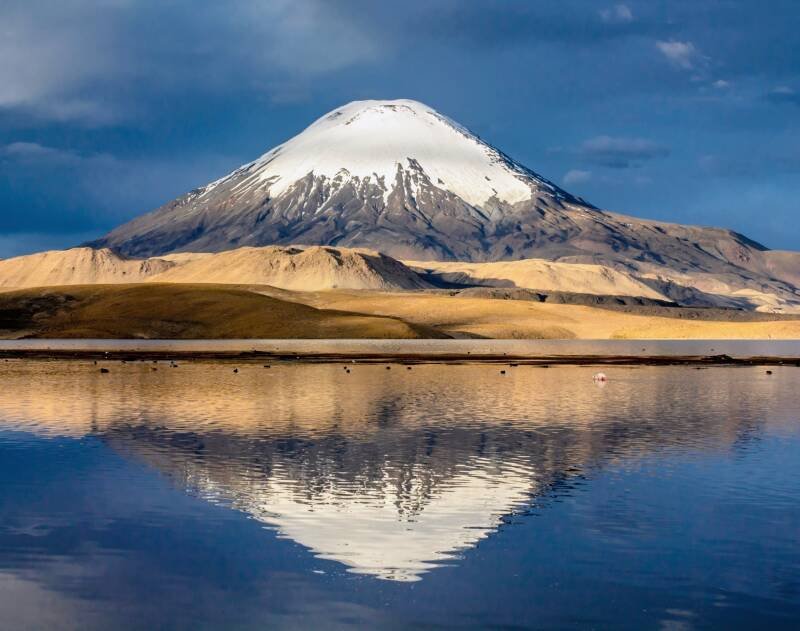
The Andes Mountains are a direct result of plate tectonics. The Nazca Plate is subducting beneath the South American Plate, causing volcanic activity and the uplift of the mountain range. This ongoing geological process continues to shape the landscape and influence the ocean surrounding South America. This process provided a continuous source of nutrient-rich ash over extended periods.
Why This News Matters
This research highlights the complex and interconnected nature of Earth's systems. It shows how geological processes, like volcanic eruptions, can have a significant impact on the climate. Understanding these past climate events can provide valuable insights into the potential impacts of future climate change. Moreover, this discovery suggests that ocean fertilization, whether natural or artificial, can play a role in reducing atmospheric carbon dioxide.
Our Analysis
In our opinion, this study provides a compelling case for the role of volcanic activity in regulating Earth's climate over geological timescales. The researchers have clearly demonstrated the link between Andesitic ash, ocean fertilization, and carbon sequestration. However, it's crucial to note that replicating this process artificially is not without risks. Large-scale ocean fertilization projects could have unintended consequences for marine ecosystems. Careful consideration and further research are necessary before considering such approaches as climate change solutions.
The Drawbacks of Ocean Fertilization
While the natural fertilization from the Andes Mountains had a positive impact on global cooling, artificial ocean fertilization faces challenges. These include potentially harmful algal blooms, oxygen depletion in deep waters, and disrupting established marine food webs. It is necessary to weight the pros and cons of this type of geoengineering.
Future Outlook
Future research will likely focus on refining our understanding of the magnitude and timing of this cooling event. Scientists will also investigate the specific types of algae that thrived in response to the volcanic ash and how they contributed to carbon sequestration. Furthermore, studying similar events in other regions of the world could reveal whether this is a widespread phenomenon. This could impact our models of past climate change, and potentially provide a deeper understanding of our current situation.
The insights gained from this research could also inform strategies for mitigating climate change. While large-scale ocean fertilization is not a silver bullet, understanding the natural processes involved can guide the development of more sustainable and environmentally responsible approaches to carbon capture and storage.
The Importance of Continued Research
Continued research into the interplay between geological processes and climate is vital. We need to better understand the natural mechanisms that regulate Earth's climate to develop effective strategies for addressing climate change. By studying past climate events, we can gain valuable insights into the potential impacts of future changes and develop more informed policies to protect our planet.