CVRD vs. Union Bay Shipbreaking: Amended Claim Filed - What It Means for the Environment and Local Community
The CVRD has filed an amended claim against Union Bay shipbreaking operation. Learn what this means for the environment, local community, and the future of industrial activity in the region. Get expert analysis and future outlook.
CVRD Files Amended Claim Against Union Bay Shipbreaking Operation
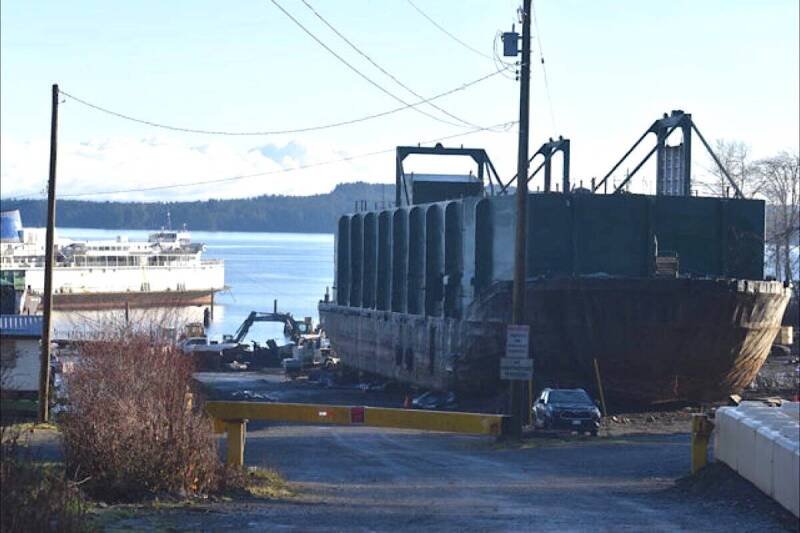
The Cowichan Valley Regional District (CVRD) has announced that it has filed an amended Notice of Claim against the shipbreaking operation located in Union Bay. This legal action underscores ongoing concerns about potential environmental damage and regulatory compliance related to the facility's activities.
What is Shipbreaking?
Shipbreaking, also known as ship recycling, is the dismantling of old ships for scrap. It's a necessary process, as ships eventually reach the end of their operational lives. However, if not managed properly, it can pose significant environmental risks due to the hazardous materials often found on board, such as asbestos, heavy metals, and oil residues.
The Amended Notice of Claim
While the specific details of the amended claim haven't been fully released to the public yet, the CVRD has indicated that more information will be provided once it becomes publicly available. This suggests the claim contains significant new information or arguments that strengthen the CVRD’s case against the shipbreaking operation. The original claim likely focused on potential breaches of environmental regulations, zoning laws, or other relevant legislation.
Why This News Matters
This news is significant for several reasons. Firstly, it highlights the importance of environmental protection and responsible industrial practices. Shipbreaking, if done improperly, can have devastating consequences for local ecosystems and human health. The CVRD's legal action demonstrates a commitment to holding operators accountable for their environmental impact.
Secondly, the situation in Union Bay is likely to set a precedent for other areas where similar industrial activities are taking place. The outcome of this legal battle could influence how environmental regulations are enforced and how future shipbreaking operations are managed across the province and perhaps even nationally.
Finally, this claim directly affects the residents of Union Bay and the surrounding communities. They are the ones who will bear the brunt of any potential pollution or environmental damage. Their voices and concerns are central to this issue, and the CVRD's actions are, in part, a response to those concerns.
Our Analysis
In our opinion, the CVRD's decision to file an amended Notice of Claim indicates a serious escalation in their concerns regarding the Union Bay shipbreaking operation. The fact that they are waiting for the document to be publicly available before releasing details suggests a strategic legal approach. They are likely confident that the amended claim is well-supported and will withstand legal scrutiny.
The success of the CVRD's claim will depend on the strength of the evidence they present, as well as the legal interpretations of relevant regulations. The shipbreaking operation will undoubtedly mount a vigorous defense, arguing that they are in compliance with all applicable laws and regulations.
This situation raises broader questions about the balance between economic development and environmental protection. Shipbreaking can provide jobs and economic benefits, but not at the expense of a clean and healthy environment. Effective regulation and enforcement are essential to ensure that industrial activities are conducted responsibly and sustainably.
Future Outlook
The legal proceedings are likely to be lengthy and complex. We anticipate a period of information gathering, expert testimony, and legal arguments. The court's decision will have far-reaching implications for the future of shipbreaking in Union Bay and elsewhere.
This could impact future investments in similar industries. Strict enforcement will likely increase the cost of shipbreaking, potentially driving the industry to regions with less stringent environmental regulations. However, a victory for the CVRD could also incentivize the development of more environmentally friendly ship recycling technologies and practices.
Ultimately, the future of the Union Bay shipbreaking operation hinges on the court's decision and the willingness of the operator to comply with environmental regulations. In our opinion, a sustainable solution requires a collaborative approach involving the CVRD, the shipbreaking operation, and the local community. Transparency, accountability, and a commitment to environmental protection are essential for building trust and ensuring a positive outcome for all stakeholders.