CIDH Urges Nicaragua to Protect Jailed Sandinista Commander: Analysis & Future Implications
The Inter-American Commission on Human Rights demands Nicaragua protect jailed Sandinista commander Bayardo Arce Castano. Explore the context, analysis, and future implications of this crucial decision.
CIDH Urges Nicaragua to Protect Jailed Sandinista Commander: Analysis & Future Implications
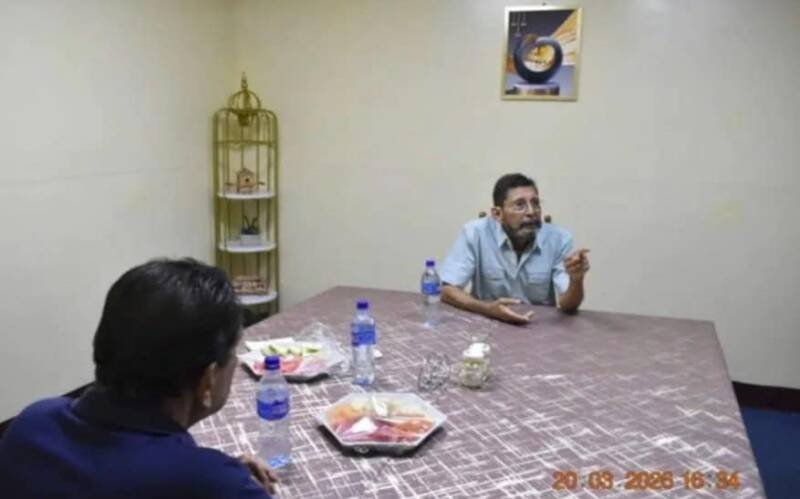
The Inter-American Commission on Human Rights (CIDH) has issued a directive urging the Nicaraguan government to safeguard the life, personal integrity, and health of Bayardo Arce Castano, a prominent historical figure within the Sandinista movement who is currently imprisoned. This decision highlights escalating concerns regarding the treatment of political prisoners in Nicaragua.
The CIDH's Precautionary Measures
The CIDH's action involves granting "precautionary measures" to Arce and his immediate family. These measures are issued when the Commission believes there is a serious and urgent risk of irreparable harm to a person or group. In Arce's case, the CIDH determined that the conditions of his imprisonment and the potential threats he faces warrant immediate protection.
This isn't just a symbolic gesture. Precautionary measures, while not legally binding in the same way as a court order, carry significant weight and are often heeded by governments seeking to maintain a positive international image. They serve as a public condemnation and put pressure on the Nicaraguan government to improve Arce's treatment.
Why This News Matters
This news underscores the deteriorating human rights situation in Nicaragua under the leadership of Daniel Ortega. Arce's imprisonment, along with that of many other political figures and activists, is seen by many as a sign of growing authoritarianism and a crackdown on dissent.
The CIDH's intervention is significant for several reasons:
- It shines an international spotlight on the plight of political prisoners in Nicaragua.
- It puts pressure on the Nicaraguan government to adhere to international human rights standards.
- It offers a glimmer of hope to Arce and his family, providing a degree of international protection.
Our Analysis
In our opinion, the CIDH's decision is a crucial step in addressing the ongoing human rights crisis in Nicaragua. The Ortega regime has faced increasing criticism for its suppression of political opposition and restrictions on freedom of expression.
Arce's case is particularly significant given his history within the Sandinista movement. His imprisonment suggests that even former allies of Ortega are not immune to the government's repression. This could indicate a widening net of political persecution.
We believe that the CIDH's involvement could impact Nicaragua's relationship with international organizations and other countries. Increased scrutiny could lead to further sanctions and diplomatic pressure.
Future Outlook
The future for Arce and other political prisoners in Nicaragua remains uncertain. Much depends on the international community's continued pressure on the Ortega regime. The CIDH's precautionary measures are a starting point, but more action is needed to ensure the safety and well-being of those detained.
Here are a few potential scenarios:
- The Nicaraguan government could comply with the CIDH's recommendations and improve Arce's conditions of imprisonment. This is the least likely scenario, given the government's past disregard for international norms.
- The government could ignore the CIDH's recommendations, leading to further condemnation and potential sanctions.
- International pressure could eventually force the government to release Arce and other political prisoners.
Ultimately, the situation requires sustained international attention and a commitment to upholding human rights principles. The CIDH's action is a vital reminder that the world is watching and that the Nicaraguan government will be held accountable for its actions.