Baptist Hospital Milk Bank: Saving Infant Lives in Its First Year
The Baptist Hospital milk bank celebrates its first anniversary, having provided over 200 liters of breast milk to NICUs, significantly impacting infant health. Learn why this matters and the future outlook for milk banks.
Baptist Hospital Milk Bank Celebrates First Anniversary: A Lifeline for Infants
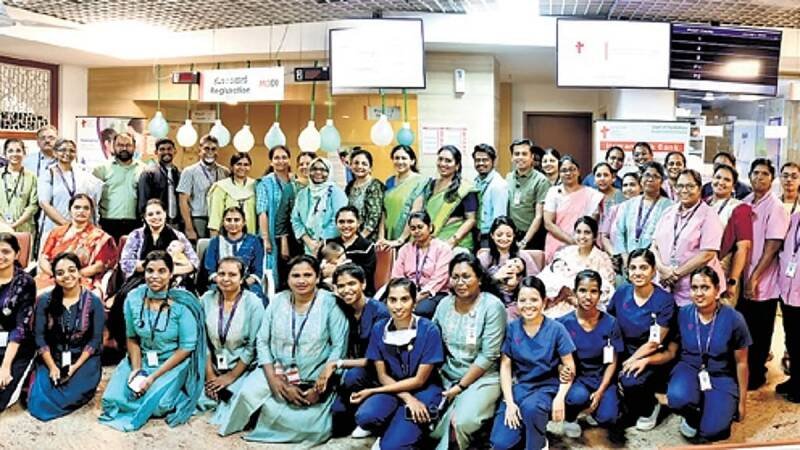
The Baptist Hospital milk bank recently celebrated its first anniversary, marking a year of significant contributions to infant health in the city. In its inaugural year, the milk bank has successfully collected and distributed over 200 liters of donated breast milk from 65 mothers. This precious resource has been crucial in supporting Neonatal Intensive Care Units (NICUs) across the city, providing essential nourishment to vulnerable infants.
A Vital Resource for Premature and Ill Infants
Breast milk is widely recognized as the gold standard for infant nutrition, especially for premature babies and those with medical conditions. It's packed with antibodies, nutrients, and enzymes that help protect against infections, promote healthy growth, and support overall development. The availability of donor breast milk through a milk bank offers a lifeline to infants whose mothers are unable to provide sufficient milk, whether due to medical reasons, adoption, or other circumstances.
Why This News Matters
The success of the Baptist Hospital milk bank highlights the growing recognition of the importance of donor breast milk in neonatal care. It demonstrates a community's commitment to supporting vulnerable infants and providing them with the best possible start in life. This initiative can serve as a model for other hospitals and healthcare facilities looking to establish similar programs, ultimately expanding access to this vital resource for infants in need.
Our Analysis
In our opinion, the establishment and successful operation of the Baptist Hospital milk bank is a testament to the power of community collaboration and a deep understanding of the unique nutritional needs of premature and sick infants. The 200 liters of milk collected represents a significant impact, potentially saving lives and improving the long-term health outcomes of numerous babies. The fact that 65 mothers stepped forward to donate their milk speaks volumes about their compassion and dedication to supporting other families.
This could impact public health significantly. Increased availability of donor milk could lead to a decrease in the incidence of necrotizing enterocolitis (NEC), a serious intestinal disease that primarily affects premature infants. Breast milk is also known to improve immune function, potentially reducing the risk of infections and hospital readmissions. We also believe this is a great start but there is room to grow, especially with awareness campaigns.
Future Outlook
The future of milk banking looks promising. We anticipate that more hospitals and healthcare organizations will recognize the value of establishing milk banks, leading to a wider network of milk donation and distribution. Increased awareness and education about the benefits of donor milk will likely encourage more mothers to consider donating their excess milk, further bolstering the supply.
Expanding the Reach and Impact
Looking ahead, we can expect to see further advancements in milk banking practices, including improved screening and pasteurization techniques to ensure the safety and quality of donor milk. We also anticipate the development of more efficient distribution systems to ensure that donor milk reaches the infants who need it most, regardless of their location. This expansion could have lasting positive effects.
Challenges and Opportunities
While the future looks bright, it's important to acknowledge the challenges that milk banks face, such as the cost of screening and processing donor milk, the need for specialized equipment and personnel, and the ongoing efforts to recruit and retain donors. However, with continued investment and support from healthcare organizations, government agencies, and the community, these challenges can be overcome, paving the way for a more robust and accessible milk banking system. It is an investment into future generations.
Ultimately, the success of the Baptist Hospital milk bank and similar initiatives around the world underscores the importance of providing vulnerable infants with the best possible nutrition. By expanding access to donor breast milk, we can significantly improve their health outcomes and give them a stronger foundation for a healthy and successful life.