Where is Roger the Empress Marmot? Concern Grows Over Victoria's Beloved Rodent
Roger, the famous Empress Hotel marmot, is missing. Learn about his history, why his absence is worrying, and what it means for local wildlife.
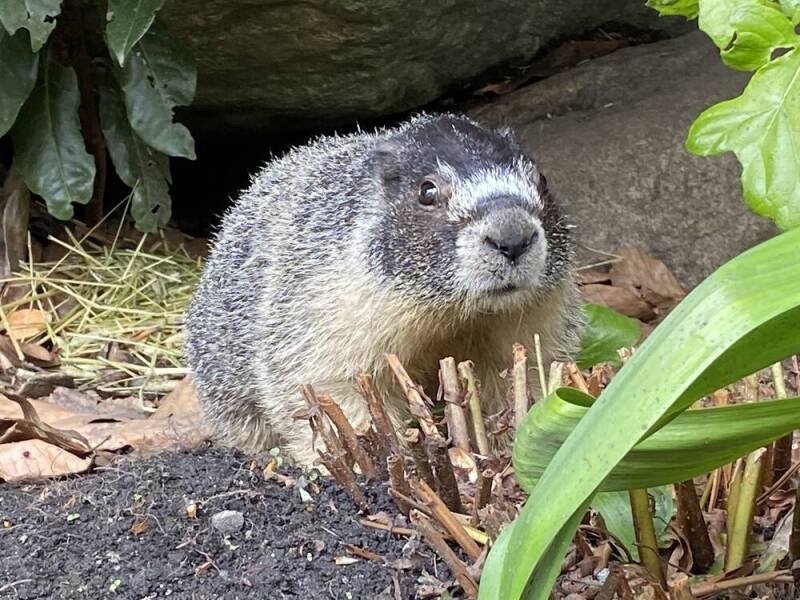



Roger, the famous Empress Hotel marmot, is missing. Learn about his history, why his absence is worrying, and what it means for local wildlife.
Roger, the beloved yellow-bellied marmot who has called the Fairmont Empress Hotel in Victoria's Inner Harbour home since 2008, has not been seen this spring, raising concerns about his well-being.
Roger first arrived at the Empress Hotel grounds over 15 years ago and quickly became a local celebrity. His presence added a touch of wildlife charm to the iconic hotel, delighting tourists and residents alike. He became a fixture of the Inner Harbour, a testament to the surprisingly adaptable nature of these creatures.
Yellow-bellied marmots typically live for around 15 years in the wild. Roger is estimated to be around 20 years old, significantly exceeding the average lifespan for his species. This makes his current absence particularly worrying, as he would be considered quite elderly for a marmot.
Roger's story resonates for several reasons. Firstly, it highlights the unique relationship between urban environments and wildlife. His presence at a major tourist destination shows how animals can adapt and even thrive in unexpected places. Secondly, it raises awareness about the lifespans and challenges faced by urban wildlife. Finally, his disappearance serves as a reminder of the fragility of these ecosystems and the importance of conservation efforts, even in urban settings.
The fact that Roger hasn't emerged from his burrow this spring is undoubtedly concerning. Given his advanced age, there are several possibilities. He may have succumbed to natural causes during hibernation, or he could be struggling with health issues preventing him from becoming active. While marmots are generally resilient, the stresses of urban living and the potential for predation from other animals could also be factors.
In our opinion, the Empress Hotel and local wildlife authorities should actively investigate the situation. This could involve checking potential burrow locations, consulting with wildlife experts, and monitoring the area for any signs of Roger or other marmots. It's important to understand what happened to Roger to ensure the well-being of any other marmots that may be present in the area.
The future of Roger and other urban marmots is uncertain. Continued urban development can encroach on their natural habitats, forcing them into closer proximity with humans. This can lead to increased conflict and potential harm to the animals. It is vital that urban planning considers the needs of local wildlife and implements measures to protect their habitats and ensure their long-term survival.
This situation could impact the Empress Hotel's image, as Roger had become something of a mascot. However, the response to his disappearance also presents an opportunity. By demonstrating a commitment to wildlife conservation and responsible urban stewardship, the hotel can further enhance its reputation as a responsible and environmentally conscious institution.
Ultimately, Roger's story serves as a poignant reminder of the interconnectedness of our urban landscapes and the natural world. Whether he is found safe and sound or not, his legacy will undoubtedly inspire a greater appreciation for the wildlife that shares our cities and the importance of protecting them.