Baidu Robotaxi Outage in Wuhan: What Happened and Why It Matters
A system failure caused a Baidu robotaxi outage in Wuhan, China. Learn what happened, why it matters, and what the future holds for autonomous vehicles.



A system failure caused a Baidu robotaxi outage in Wuhan, China. Learn what happened, why it matters, and what the future holds for autonomous vehicles.
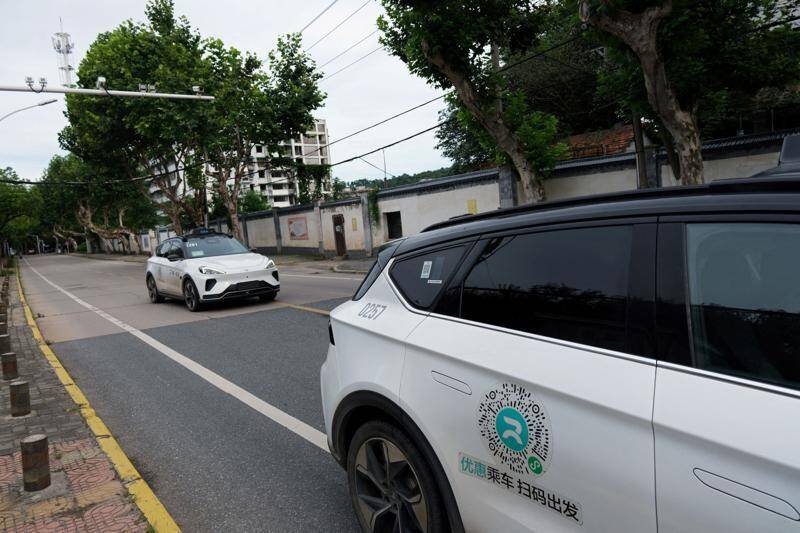
Recent reports indicate that Baidu's Apollo Go robotaxi service experienced a significant disruption in Wuhan, China. The outage, attributed to a "system failure," temporarily halted the operation of its driverless vehicles, raising questions about the reliability and safety of autonomous transportation.
While details remain somewhat limited, local police reports suggest a widespread system failure affected the Apollo Go fleet in Wuhan. This malfunction resulted in the robotaxis being unable to operate correctly, essentially stranding them and passengers (if any were present at the time of the failure). The specific nature of the "system failure" hasn't been publicly disclosed by Baidu.
Apollo Go is Baidu's robotaxi service, operating in several Chinese cities, including Wuhan. Baidu has invested heavily in autonomous driving technology and aims to become a leader in the global robotaxi market. The service uses a fleet of self-driving vehicles equipped with advanced sensors, cameras, and AI software to navigate and transport passengers.
This incident is significant for several reasons:
In our opinion, the "system failure" reported by police is likely a complex issue involving software glitches, sensor malfunctions, or even network connectivity problems. The fact that it affected multiple vehicles suggests a widespread problem rather than an isolated incident. It is imperative that Baidu conduct a thorough investigation to identify the root cause and implement preventative measures.
Furthermore, this incident highlights the challenges of developing and deploying fully autonomous vehicles. While the technology has made significant progress, it is not yet perfect. Constant monitoring, testing, and improvements are necessary to ensure the safety and reliability of robotaxi services.
The future of robotaxi services depends on several factors, including technological advancements, regulatory approvals, and public acceptance. Baidu's response to this incident will be critical in shaping the future of Apollo Go and the broader autonomous vehicle industry.
This could impact the timeline for commercial deployment of robotaxi services. If Baidu faces significant setbacks, it could delay its expansion plans and potentially affect the overall growth of the autonomous transportation market in China. Stricter regulations and public hesitancy could further slow down the progress.
However, we believe that autonomous driving technology has the potential to revolutionize transportation, making it safer, more efficient, and more accessible. Overcoming challenges like this outage is a necessary step in realizing that potential. Continuous innovation, rigorous testing, and transparent communication with the public are essential for building trust and fostering the widespread adoption of robotaxi services. We anticipate that Baidu, and the industry as a whole, will learn from this incident and work towards creating more reliable and safer autonomous vehicles.