Athabasca, Barrhead, Westlock Electoral Boundaries Remain United: What it Means
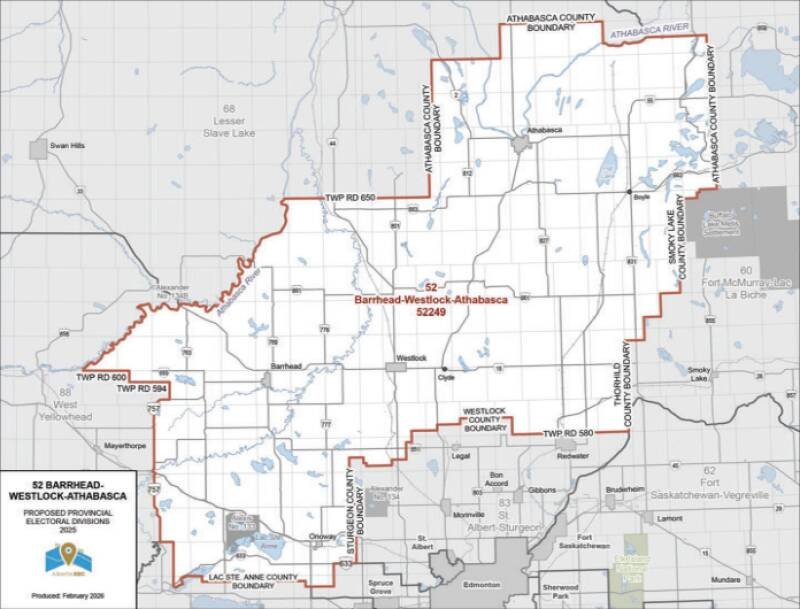
The final electoral boundary report keeps Athabasca, Barrhead, and Westlock together. Explore the implications, future outlook, and why this decision matters for local communities.
Final Electoral Boundary Report: Athabasca, Barrhead, Westlock Stay United
In a move that's being welcomed by local leaders, the final report on Alberta's electoral boundaries has decided to keep the communities of Athabasca, Barrhead, and Westlock united within the same electoral division. This decision, announced recently, maintains the long-standing community connections that Reeve for Westlock County, Christine Kulak, has championed.
What Happened?
Alberta undertakes periodic reviews of its electoral boundaries to ensure fair and effective representation for its citizens. These reviews consider factors like population shifts, community interests, and geographical considerations. The initial proposals sometimes suggest significant changes, leading to local concerns about the potential disruption of established community ties.
The recent boundary review process involved public consultations and submissions from stakeholders, including municipalities and individuals. The final report reflects the outcome of these deliberations, ultimately opting to maintain the existing alignment for Athabasca, Barrhead, and Westlock.
Why This News Matters
Electoral boundaries directly impact the representation that communities receive in the Alberta legislature. Keeping Athabasca, Barrhead, and Westlock together means:
- Stronger Community Voice: It allows these communities to advocate for their shared interests with a unified voice.
- Preservation of Relationships: Businesses, organizations, and residents in these areas often have deep-rooted connections. Maintaining the same electoral boundary supports these relationships.
- Consistent Representation: Residents can continue to rely on elected officials who understand the specific needs and challenges of their shared region.
Our Analysis
The decision to maintain the existing electoral boundaries for Athabasca, Barrhead, and Westlock appears to be a victory for local advocacy. Reeve Kulak’s emphasis on preserving long-standing community connections likely played a significant role in influencing the boundary review committee.
In our opinion, this outcome demonstrates the importance of local communities actively participating in the electoral boundary review process. By voicing their concerns and highlighting the significance of maintaining existing relationships, they can influence decisions that directly impact their representation.
This could impact future boundary reviews. It sets a precedent for considering community connections as a vital factor, potentially leading to similar outcomes in other regions where strong local ties exist.
Potential Downsides
While the Reeve welcomes the decision, it is important to acknowledge the potential downsides for other areas that may have been affected by keeping this area the same. Other proposed changes likely had knock-on effects, and those communities may now face different challenges.
Future Outlook
With the electoral boundaries now finalized, the focus shifts to the next provincial election. The united front presented by Athabasca, Barrhead, and Westlock could translate into a more effective advocacy strategy for regional priorities.
Furthermore, this decision could influence future infrastructure development and economic initiatives in the region. A cohesive electoral district is better positioned to attract investment and secure government support for projects that benefit the entire area.
It is crucial for residents and businesses in these communities to stay informed about the issues affecting their region and to actively engage with their elected officials. This will ensure that their voices are heard and that their interests are effectively represented in the Alberta legislature.
Looking Ahead
The future success of this united electoral district will depend on continued collaboration and a shared commitment to addressing the challenges and opportunities facing Athabasca, Barrhead, and Westlock. It requires active participation from residents, businesses, and local governments to ensure that the region's voice remains strong and effective.