Artemis II: Humanity's Next Giant Leap - A Deep Dive
Explore NASA's Artemis II mission, its significance, and what it means for the future of lunar exploration and space travel. We analyze the mission's goals, impact, and future outlook.



Explore NASA's Artemis II mission, its significance, and what it means for the future of lunar exploration and space travel. We analyze the mission's goals, impact, and future outlook.
NASA's Artemis II mission is poised to send astronauts to the Moon, marking a monumental step in the agency's ambitious plans for a sustained lunar presence. This mission, a crucial stepping stone toward a permanent moon base, signifies a renewed era of human spaceflight and lunar exploration.
Artemis II is the first crewed mission in NASA's Artemis program. It will involve four astronauts orbiting the Moon in the Orion spacecraft. This mission serves as a vital test, ensuring the Orion spacecraft's life support systems and other critical technologies are functioning correctly before attempting a lunar landing.
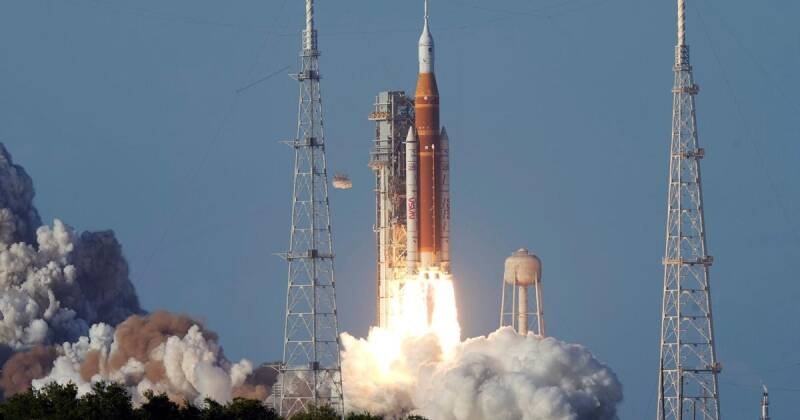
The mission, scheduled to launch after rigorous testing and preparations, will utilize the powerful Space Launch System (SLS) rocket. This rocket is the backbone of NASA's deep space exploration program and will propel the Orion spacecraft towards the Moon.
The Artemis II mission holds immense significance for several reasons:
In our opinion, the Artemis II mission represents a significant turning point in space exploration. While previous lunar missions were largely about demonstrating technological capabilities, Artemis is focused on sustainability and long-term scientific goals. The data gathered from this mission will be invaluable for refining future lunar landing procedures and understanding the challenges of living and working on the Moon.
The success of Artemis II relies heavily on the reliable performance of the SLS rocket and the Orion spacecraft. Any unforeseen technical issues could delay the mission or even jeopardize its outcome. However, NASA's extensive testing and safety protocols aim to mitigate these risks.
This could impact the commercial space sector by creating new opportunities for private companies to develop lunar transportation and resource extraction technologies. The Artemis program's focus on sustainability may also encourage the development of more environmentally friendly space technologies.
Looking ahead, the Artemis program has ambitious plans for future lunar exploration:
In our opinion, the Artemis program has the potential to revolutionize space exploration. By establishing a sustainable human presence on the Moon, we can unlock new scientific discoveries, develop innovative technologies, and prepare for even more ambitious missions to Mars and beyond. The journey of Artemis II is just the beginning.