Alberta Electoral Boundaries Review: What it Means for You
Alberta is considering redrawing its electoral map, potentially adding two new ridings. Learn what this means for representation, voting power, and future elections.



Alberta is considering redrawing its electoral map, potentially adding two new ridings. Learn what this means for representation, voting power, and future elections.
Alberta is thinking about shaking up its electoral map. The current 89-seat setup could be replaced with a new one boasting 91 ridings, according to recent discussions. This isn't just about lines on a map; it's about how Albertans are represented in the legislature and, ultimately, who holds power.
The potential change involves redrawing the boundaries of existing electoral districts (ridings) and adding two more to the total. This process, known as electoral boundary redistribution, aims to ensure each riding has a roughly equal population. This is vital to uphold the principle of "one person, one vote," where each citizen's vote carries roughly the same weight.
Population shifts are the main driver behind this. Alberta has experienced significant growth in recent years, with some areas growing much faster than others. This means some ridings now have far more people than others, creating an imbalance in representation. Redistribution seeks to correct this imbalance, ensuring fair representation for all Albertans.
This decision impacts every Albertan. The boundaries of your riding determine who represents you in the legislature. A change in boundaries can shift the demographics of a riding, potentially influencing election outcomes. More ridings could also lead to a different balance of power in the legislature.
In our opinion, this redistribution is a necessary step to maintain fair representation in Alberta. However, the process of redrawing boundaries is often politically charged. Different parties may advocate for boundaries that benefit their supporters. The key is to ensure the process is transparent and impartial, guided by population data and geographic considerations, not political maneuvering. This could impact smaller communities if larger urban centers gain more representation.
The addition of two new ridings could also have implications for the composition of the legislature. It's possible that these new ridings will favour one party over another, potentially shifting the balance of power. We believe it's crucial for all parties to engage in a constructive dialogue during the redistribution process to ensure a fair and equitable outcome.
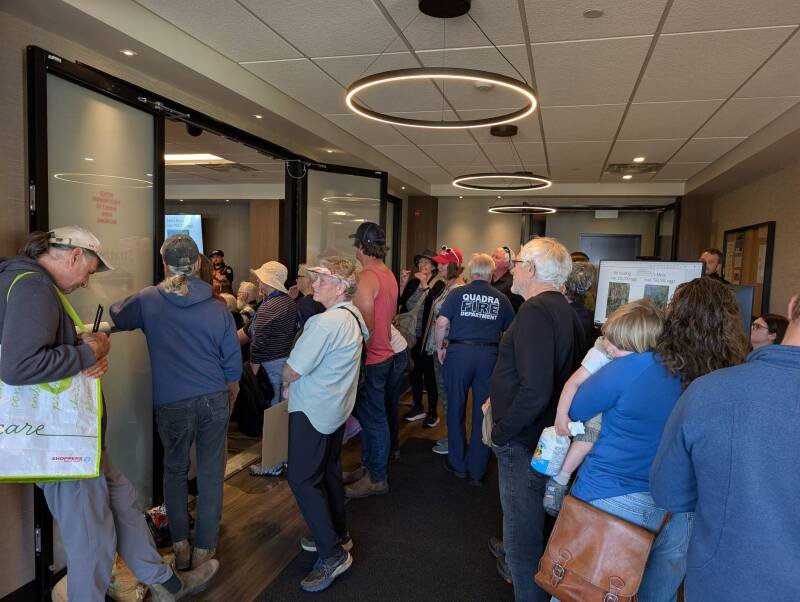
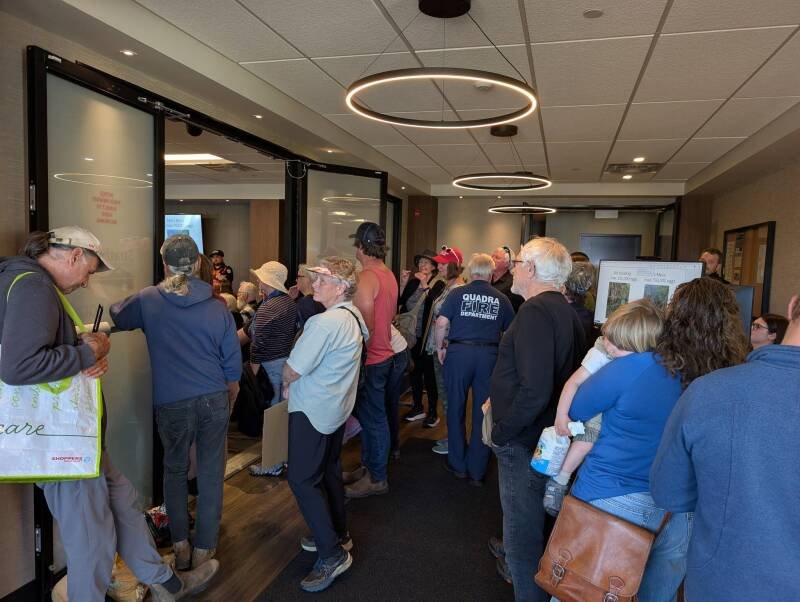
The process of electoral boundary redistribution typically involves an independent commission that analyzes population data and consults with the public. The commission then proposes a new electoral map, which is subject to approval by the legislature. This process can take several months, or even years, to complete.
Looking ahead, several factors could influence the future of Alberta's electoral map:
This is a developing story, and we will continue to provide updates as the electoral boundary redistribution process unfolds. Stay tuned for further analysis and insights into how this could shape Alberta's political landscape.