Immigration Application Backlog: Millions Face Deportation Risk
A massive backlog of immigration applications in the U.S. is putting millions at risk of deportation. Learn why, and what it means for the future.
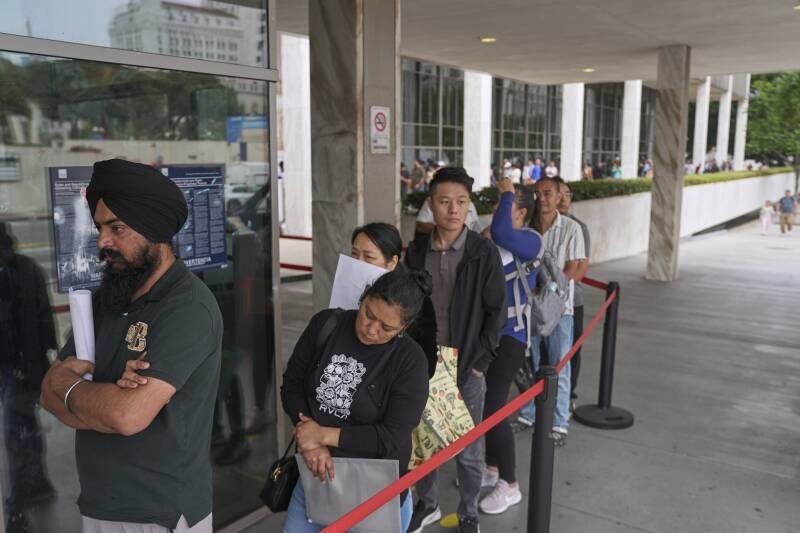



A massive backlog of immigration applications in the U.S. is putting millions at risk of deportation. Learn why, and what it means for the future.
A new analysis from NPR reveals a concerning trend: millions of immigrants in the United States are facing an increased risk of deportation due to a massive backlog in the processing of their applications for legal residency or work authorization. This bureaucratic bottleneck is leaving many in legal limbo, uncertain of their future and vulnerable to potential deportation proceedings.
The United States Citizenship and Immigration Services (USCIS) is responsible for processing various immigration applications, including those for green cards, work permits, and asylum. Several factors have contributed to the growing backlog. These include:
The NPR analysis highlights that these delays aren't just administrative inconveniences; they have real-world consequences for individuals and families striving to live and work legally in the U.S.
This news is significant for several reasons. Firstly, it underscores the human cost of bureaucratic inefficiency. Millions of people who are actively trying to comply with U.S. immigration laws are being penalized by systemic delays. Secondly, the backlog creates a climate of fear and uncertainty within immigrant communities, impacting their ability to fully integrate into society and contribute to the economy. Finally, the situation puts added strain on the immigration court system, which is already overwhelmed with cases.
In our opinion, the current situation is unsustainable. The backlog isn't just a matter of processing delays; it's a systemic failure that requires urgent attention. USCIS needs to be adequately funded and staffed to handle the volume of applications it receives. Furthermore, streamlining the application process and adopting modern technology could significantly improve efficiency. We believe policy changes, such as increasing the number of available visas and creating pathways to legal status for long-term residents, are also necessary to address the root causes of the backlog.
The NPR report points to a critical need for comprehensive immigration reform. While debates over border security often dominate the headlines, the processing of legal immigration applications is equally important. A functional immigration system should be able to efficiently process applications, protect vulnerable individuals, and support economic growth.
The future outlook for the immigration application backlog is uncertain. While the current administration has pledged to address the issue, significant challenges remain. It's unlikely that the backlog will be cleared quickly, and many immigrants will continue to face uncertainty for the foreseeable future.
This could impact the U.S. economy, as delayed work permits prevent immigrants from filling critical labor shortages. It could also impact families, as delays in green card processing prevent them from reuniting with loved ones. Ultimately, the resolution of the immigration application backlog will require a multi-faceted approach involving increased funding, policy reforms, and a commitment to efficient and fair processing of applications.
We anticipate that advocacy groups and legal organizations will continue to pressure the government to take action on this issue. Public awareness campaigns may also help to raise awareness of the human cost of the backlog and generate support for comprehensive immigration reform.
The situation remains fluid, but one thing is clear: the immigration application backlog is a significant problem that demands immediate and sustained attention from policymakers and the public alike.
























