Yellowstone Wolves Sing the Night Away: New Study Reveals Peak Howling Hours
New research in Yellowstone National Park using autonomous recording units reveals wolves howl most often at night, providing valuable insights into wolf behavior and communication.
Yellowstone Wolves Sing the Night Away: New Study Reveals Peak Howling Hours
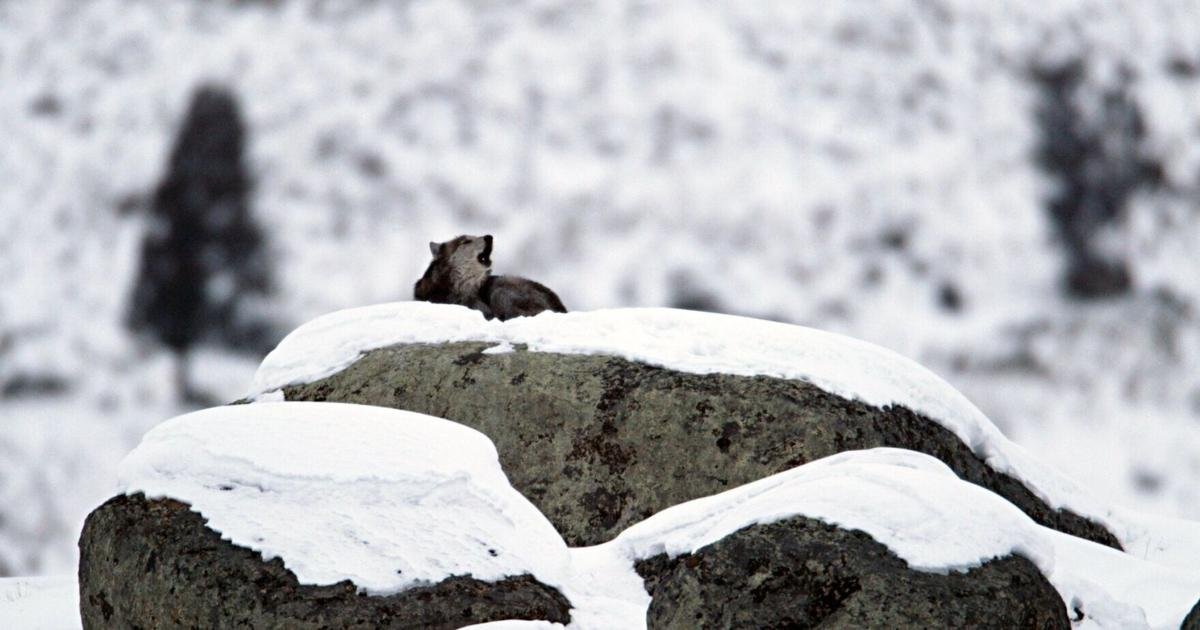
New research out of Yellowstone National Park has shed light on the nighttime habits of one of its most iconic residents: the gray wolf. By using technology to listen around the clock, scientists have discovered when these elusive animals are most likely to howl.
Unveiling the Secrets of Wolf Howls
The study focused on wolf howling, a key form of communication for these social animals. Howling serves various purposes, including marking territory, coordinating pack activities, and locating other pack members. Understanding when wolves howl can provide valuable insights into their behavior and social dynamics.
Autonomous Recorders: The Key to Listening In
To capture the sounds of wolves year-round, researchers deployed autonomous recording units throughout Yellowstone National Park. These devices, essentially unattended microphones with recording capabilities, allowed scientists to passively monitor wolf activity without needing a human presence. This is important since wolf habitat is remote and humans don't keep up with the recording 24/7.
Nighttime is Howling Time
The data collected by these recording units revealed a clear pattern: wolves primarily howl at night. While occasional howls may occur during the day, the peak howling activity happens after dusk and before dawn.
Why Nighttime Howling?
The reasons behind the wolves' preference for nighttime howling are not explicitly stated in this study, but we can infer. Low light hours make it easier for the sounds to carry over the surrounding wilderness. Also the pack might be active in the dark hunting or patrolling.
Implications for Understanding Wolf Behavior
The findings of this study have several important implications. By understanding the timing of wolf howls, researchers can gain a better understanding of:
- Wolf communication: How do wolves use howls to communicate with each other during the night?
- Territorial behavior: How do wolves use howling to mark and defend their territories in the dark?
- Pack dynamics: How does nighttime howling contribute to the coordination of pack activities?
The Future of Wolf Research in Yellowstone
This research demonstrates the power of using technology to study wildlife behavior. Autonomous recording units offer a non-invasive way to monitor animal activity and gather valuable data. As technology continues to advance, we can expect even more insights into the lives of wolves and other wildlife in Yellowstone National Park.
This new information can help park officials make decsions regarding the animals in their care. The data can be used to track changes in wolf populations and behaviors over time.