Foot-and-Mouth Disease Spreads to More Farms in Cyprus
An outbreak of foot-and-mouth disease is affecting more farms in Cyprus, posing a threat to the agricultural sector and economy.
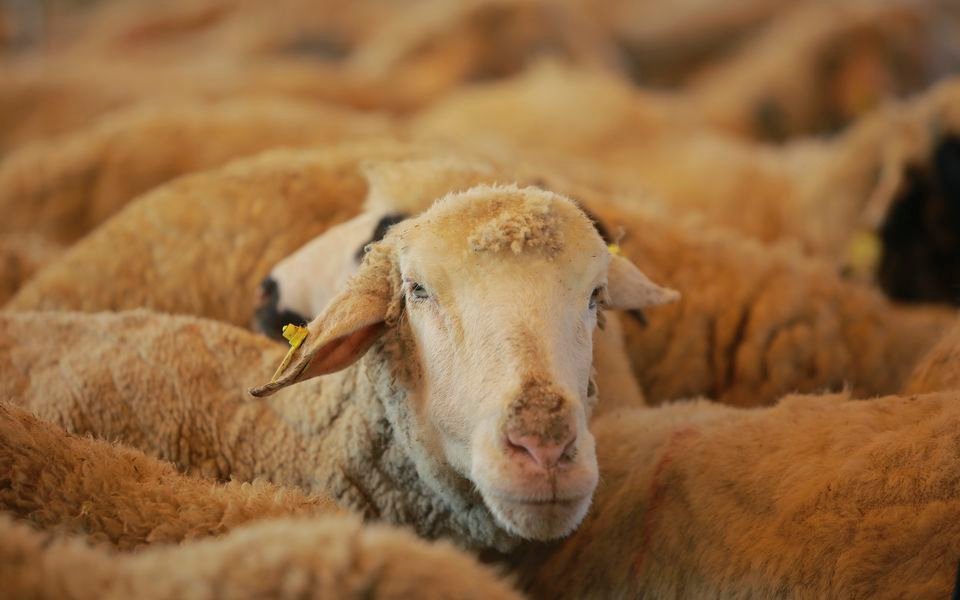



An outbreak of foot-and-mouth disease is affecting more farms in Cyprus, posing a threat to the agricultural sector and economy.
An outbreak of foot-and-mouth disease is continuing to expand across farms in Cyprus.
The ongoing outbreak of foot-and-mouth disease in Cyprus is continuing to spread.
Foot-and-mouth disease (FMD) is a highly contagious viral disease that affects cloven-hoofed animals, including cattle, sheep, goats, and pigs. While FMD is not generally a threat to human health, it can have devastating economic consequences for farmers and the agricultural sector.
The disease causes fever, blisters around the mouth and hooves, and a decrease in milk production in affected animals. The infection weakens the animals, and reduces production yield. In some cases, it can lead to death, especially in young animals.
When an outbreak occurs, it is necessary to implement control measures to contain the spread of the virus. These measures can include movement restrictions of animals, quarantining of affected farms, and in some cases, culling (slaughtering) of infected or potentially infected animals. Culling is a drastic measure but is sometimes necessary to stop the disease from becoming widespread.
The foot-and-mouth disease outbreak could negatively affect the Cypriot economy. A major outbreak can lead to trade restrictions on animal products, affecting exports and reducing income for farmers and related industries.
Tourism could also be affected, as outbreaks can deter visitors. Overall the outbreak threatens livelihoods and places an added burden on the nation's economy.
Efforts to monitor and control the spread of foot-and-mouth disease are crucial to protecting animal health and the agricultural sector in Cyprus. Further updates are expected as the situation evolves.