UW-Madison Flock Cameras: Faculty Concerns and Privacy Debate
Explore the controversy surrounding Flock AI license plate reader cameras at UW-Madison, as faculty raise privacy concerns despite police safeguards.



Explore the controversy surrounding Flock AI license plate reader cameras at UW-Madison, as faculty raise privacy concerns despite police safeguards.
The University of Wisconsin-Madison Police Department (UWPD) has implemented safeguards for its Flock Safety camera system. However, some faculty and staff members are still voicing concerns about the technology's impact on privacy and potential for misuse.
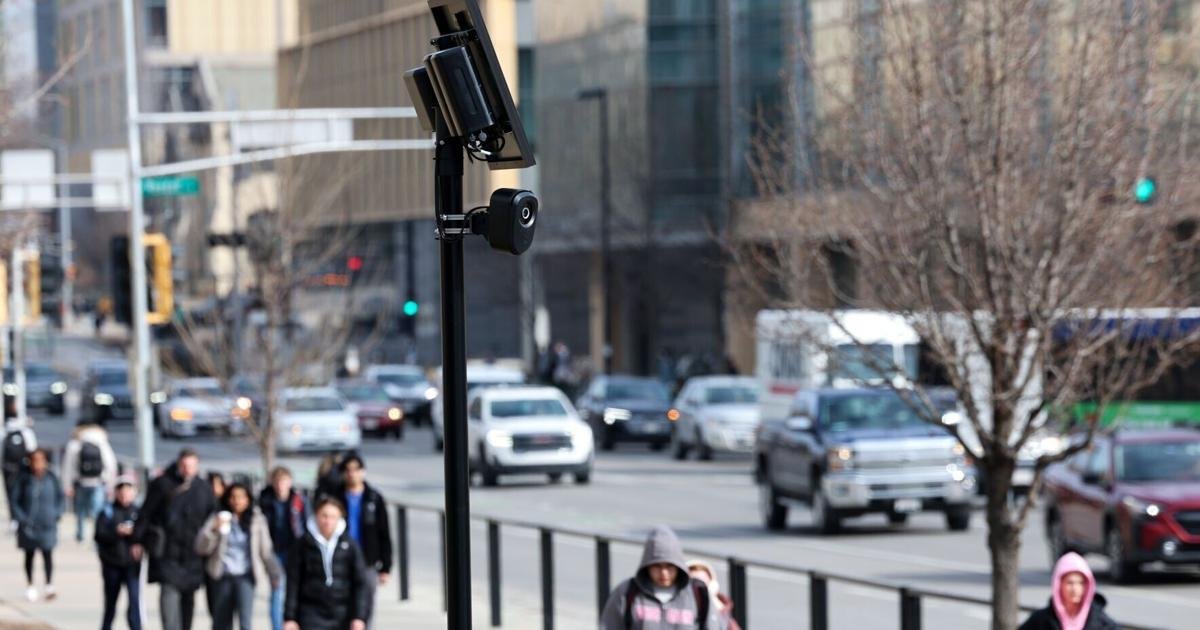
Flock Safety cameras are a type of security camera that use license plate reader (LPR) technology. These cameras are designed to capture images of license plates on vehicles that pass within their field of view. The data collected can then be used by law enforcement to investigate crimes or locate vehicles of interest.
The UW-Madison Police Department currently operates eight Flock cameras on campus. These cameras are strategically placed to monitor vehicular traffic and provide investigative leads for law enforcement. The goal is to enhance campus safety by assisting in solving crimes and identifying potential threats.
Despite the UWPD's implementation of safeguards, a segment of UW-Madison faculty and staff remains uneasy about the presence of Flock cameras. Their primary concern revolves around the potential for mass surveillance and the erosion of privacy. They argue that the collection of license plate data, even with restrictions, could lead to the tracking of individuals and the chilling of free speech and association.
The UWPD has put in place certain "guardrails" intended to address privacy concerns. These restrictions likely involve policies governing data retention, access controls, and the permissible uses of the data collected by the Flock cameras. By limiting who can access the data and for what purposes, the police department aims to prevent misuse and ensure that the technology is used responsibly. However, these measures haven't fully satisfied critics.
Some faculty members are advocating for the complete removal of the Flock cameras from the UW-Madison campus. They believe that the potential risks to privacy outweigh the benefits of the technology, and that alternative security measures should be explored. They argue that the presence of these cameras creates a surveillance environment that is not conducive to academic freedom and open discourse.
The debate surrounding Flock cameras at UW-Madison highlights the ongoing tension between security and privacy in the digital age. As surveillance technology becomes more prevalent, universities and other institutions are grappling with the challenge of balancing the need for safety with the rights of individuals to privacy. The outcome of this debate at UW-Madison could have implications for other universities considering the adoption of similar technologies.
The controversy surrounding Flock cameras at UW-Madison is likely to continue as faculty and staff engage in further discussions with the university administration and police department. The focus of these discussions will likely be on finding ways to address privacy concerns while ensuring the safety and security of the campus community.