US-Iran Ceasefire: Jeffrey Sachs' Analysis and Future Outlook
Economist Jeffrey Sachs critiques the US-Iran ceasefire, citing Trump's "incompetence" and questioning its long-term benefits for America. Read our analysis, future outlook, and why this news matters.
US-Iran Ceasefire: A Fragile Truce and Sachs' Critique
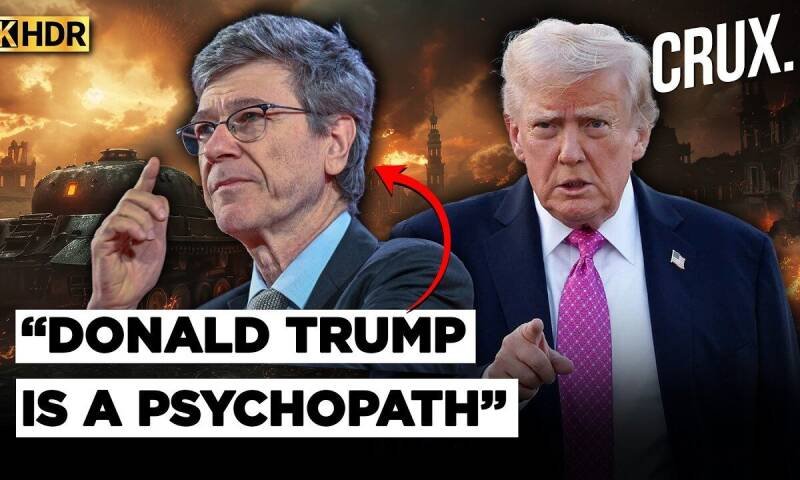
A tense quiet has settled, at least for now. A two-week ceasefire is reportedly in place between the United States and Iran, but the question remains: is this a genuine step towards lasting peace, or merely a pause in escalating tensions? Renowned economist and geopolitical analyst Jeffrey Sachs isn't optimistic. He recently voiced strong concerns, stating that this truce isn't a win for the United States and criticizing former President Trump's handling of the situation.
Sachs' Scathing Assessment
Sachs didn't mince words. He described Trump's "incompetence" as a major factor contributing to the current volatile situation. While the specifics of his commentary weren't detailed, his overall message was clear: the ceasefire, in its current form, isn't a victory for American interests. Sachs often advocates for diplomacy and international cooperation, suggesting that a more collaborative approach would have yielded better results.
Why This News Matters
The relationship between the US and Iran is a critical point in global geopolitics. Escalations or de-escalations between these two nations ripple outwards, impacting the entire Middle East and beyond. This ceasefire, even if temporary, offers a window of opportunity for dialogue. However, Sachs' critique highlights the underlying issues and potential pitfalls that could undermine any lasting peace. His concerns speak to a larger debate about the effectiveness of different foreign policy approaches and the long-term consequences of past decisions. The stability of the Middle East hinges on finding a sustainable resolution to this conflict. A resumption of hostilities could have devastating consequences for the region and the world.
Our Analysis
While a ceasefire is undoubtedly a positive initial step, Sachs' skepticism is warranted. A truce alone doesn't address the deep-seated issues fueling the conflict, such as Iran's nuclear program, its regional influence, and the history of strained relations between the two countries. It's likely that Sachs sees the current agreement as lacking the necessary framework for long-term stability. In our opinion, the ceasefire needs to be coupled with genuine diplomatic efforts, confidence-building measures, and a willingness from both sides to compromise. Without these crucial elements, it risks being a mere pause before the next escalation. The fact that a figure as respected as Sachs is publicly questioning the deal underscores the fragility of the situation.
What's Missing?
* **Concrete Agreements:** Beyond the cessation of hostilities, what specific commitments have been made?
* **Verification Mechanisms:** How will the ceasefire be monitored and enforced?
* **Long-Term Strategy:** What is the overarching plan for addressing the underlying issues?
Future Outlook
The future of US-Iran relations remains uncertain. The success of this ceasefire hinges on the willingness of both sides to engage in good-faith negotiations. This could impact global oil prices, regional security, and international trade.
Potential Scenarios
* **Renewed Diplomacy:** If both sides seize this opportunity for genuine dialogue, a more comprehensive agreement could be reached, leading to a period of relative stability.
* **Ceasefire Collapse:** If the underlying issues are not addressed, and mistrust persists, the ceasefire could collapse, leading to renewed conflict.
* **Proxy Wars:** Even if direct conflict is avoided, the US and Iran could continue to engage in proxy wars, further destabilizing the region.
The coming weeks will be crucial in determining the trajectory of US-Iran relations. The world will be watching closely to see if this fragile truce can be transformed into a lasting peace.