Typhoon Sinlaku Shifts: Impact on Guam and Rota Explained
Typhoon Sinlaku's path shifts north towards Rota, lessening the threat to Guam. We break down the potential impacts, future outlook, and why this news matters.




Typhoon Sinlaku's path shifts north towards Rota, lessening the threat to Guam. We break down the potential impacts, future outlook, and why this news matters.
The latest updates from the National Weather Service indicate a shift in the projected path of Typhoon Sinlaku. Originally predicted to directly impact Guam, the typhoon is now moving northwards, posing a greater threat to Rota. This announcement, made at a noon briefing on Sunday, brings a sense of cautious relief to Guam, while raising concerns for residents of Rota.
While Guam is no longer expected to experience the full force of Typhoon Sinlaku, the island is not entirely out of the woods. The National Weather Service is still advising residents to remain vigilant and prepared. Potential impacts for Guam could include:
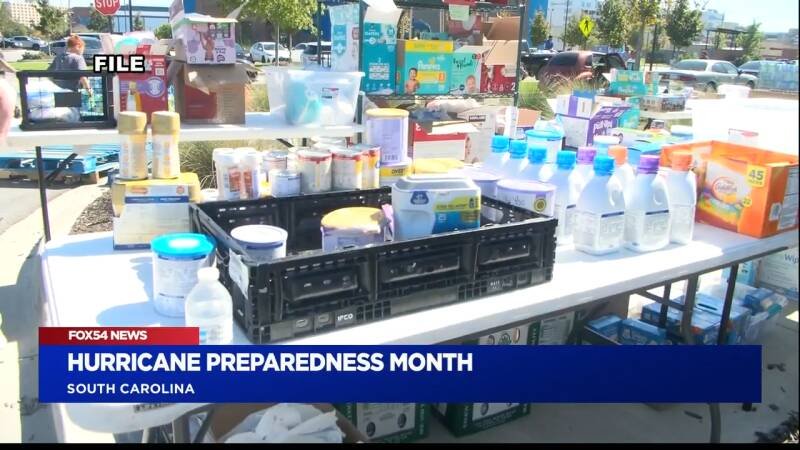
As Typhoon Sinlaku shifts north, Rota is now in the direct path of the storm. Residents of Rota are urged to take immediate action to prepare for potentially devastating conditions. This includes securing homes, stocking up on essential supplies, and staying informed about the latest weather updates.
Understanding the trajectory and potential impact of storms like Typhoon Sinlaku is crucial for several reasons:
The shift in Typhoon Sinlaku's path highlights the unpredictable nature of weather systems. While advancements in forecasting technology have improved accuracy, constant monitoring and adaptation are still essential. In our opinion, this situation underscores the need for:
This could impact the local economies of both Guam and Rota. While Guam may see less impact, Rota is potentially facing significant disruption and damage, which will likely need both local and international assistance to recover.
The future path and intensity of Typhoon Sinlaku remain uncertain, and further shifts are possible. It's imperative that residents of Guam and Rota continue to monitor updates from the National Weather Service and other reliable sources. Furthermore, this event serves as a reminder of the increasing frequency and intensity of extreme weather events, potentially linked to climate change. A long-term solution demands that global leaders take responsibility for carbon emission reductions.
Beyond immediate preparedness, communities in the Pacific Islands must also consider long-term adaptation strategies to cope with the effects of climate change. This includes:
By proactively addressing these challenges, Pacific Island communities can build resilience and safeguard their future against the growing threat of extreme weather events.