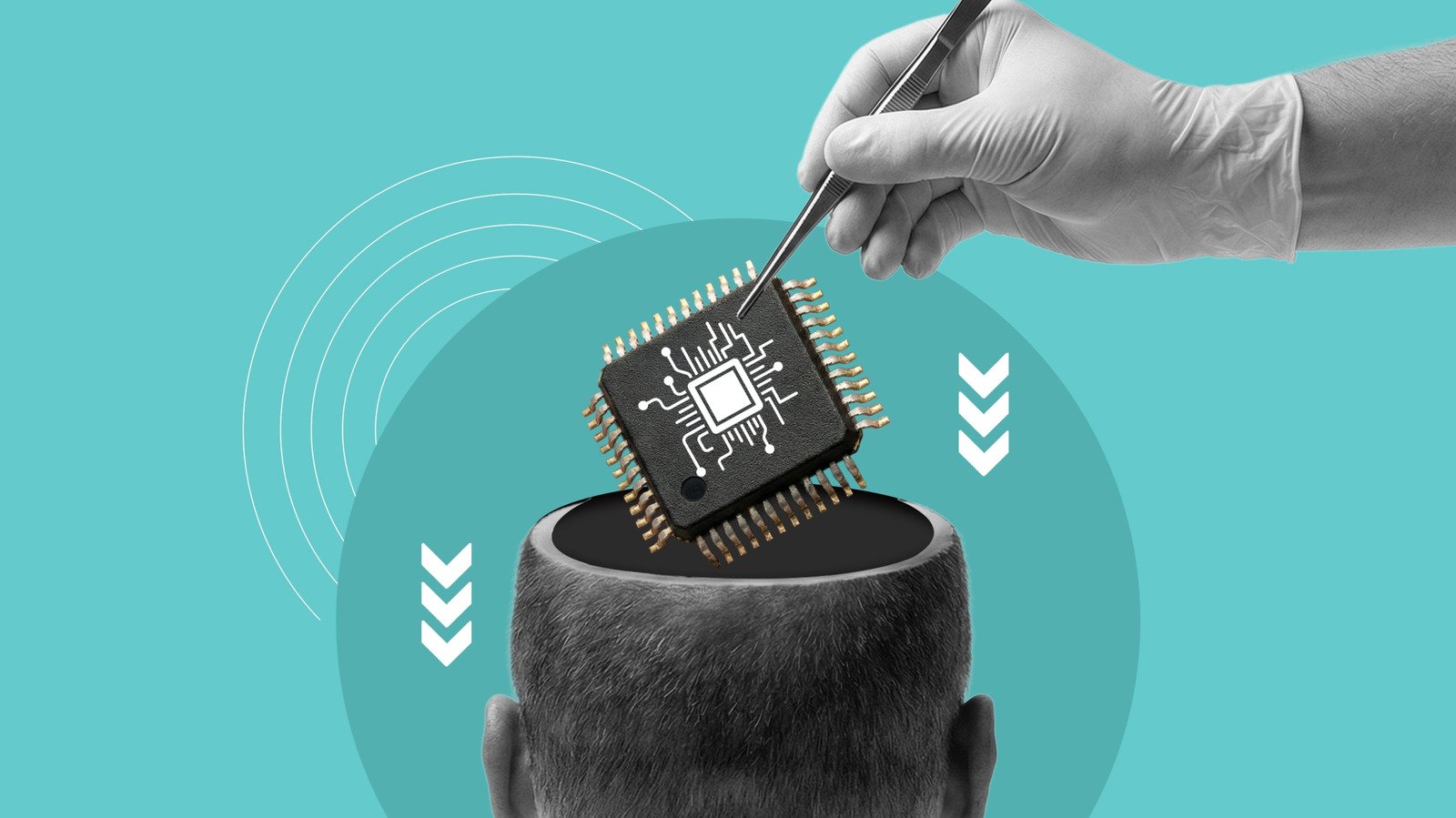
New Bill Aims to Ban Mandatory Employee Microchips
A proposed bill seeks to protect employee rights by prohibiting employers from mandating microchip implants as a condition of employment.
New Bill Aims to Ban Mandatory Employee Microchips
A new bill is being proposed to prevent employers from requiring their employees to get microchip implants. This legislation is focused on protecting the rights and privacy of workers in the face of increasingly advanced technology. The core aim is to ensure that employees cannot be forced to undergo invasive procedures as a condition of employment.
Protecting Employee Autonomy
The primary objective of this bill is to safeguard employee autonomy. Without such a law, there’s a possibility that employers could mandate microchip implants for various reasons, such as tracking employee location, monitoring health data, or even controlling access to secure areas. This bill seeks to prevent such scenarios by explicitly prohibiting employers from making these kinds of implantations a requirement for employment.
The Context of Workplace Technology
The discussion around mandatory microchips occurs within a larger context of technological advancements in the workplace. Employers are increasingly using technology to monitor and manage their workforce, raising questions about privacy and control. This bill is a response to concerns about how far employers can go in using technology to oversee employees. It reflects a desire to establish clear boundaries and protect individual rights against potential overreach by employers.
Potential Implications for Employers and Employees
If passed, the bill would have significant implications for both employers and employees.
- For Employees: The bill would provide a sense of security and control over their own bodies and personal data. Employees would be protected from coercion to undergo invasive procedures that they might find objectionable. It reinforces the idea that employment should not come at the cost of sacrificing personal autonomy.
- For Employers: The bill would limit the extent to which they can use technology to monitor or control their employees. They would need to find alternative methods for achieving their objectives that don’t involve invasive procedures. This could encourage the development of less intrusive workplace technologies.
The Bigger Picture: Privacy and Data Security
This bill also raises broader questions about privacy and data security in the workplace. Microchips collect and transmit data, which could be vulnerable to hacking or misuse. The bill indirectly addresses these concerns by limiting the circumstances in which such data collection can occur. The debate around mandatory microchips highlights the importance of having clear regulations in place to protect employee privacy in an era of rapid technological change.
Looking Ahead
The introduction of this bill marks an important step in addressing the ethical and legal challenges posed by emerging workplace technologies. As technology continues to evolve, it will be crucial to have ongoing discussions about how to balance the interests of employers and employees, and how to ensure that technological advancements don’t come at the expense of individual rights and freedoms. The bill represents an effort to proactively address a potential issue before it becomes widespread, sending a message that employee privacy and autonomy are valued.