Steam Machine Faces Pricing Questions Amid Delays and Xbox Speculation
Steam Machine's future uncertain due to rising costs and component shortages. 2026 delay raises questions alongside early Xbox 2027 rumors.
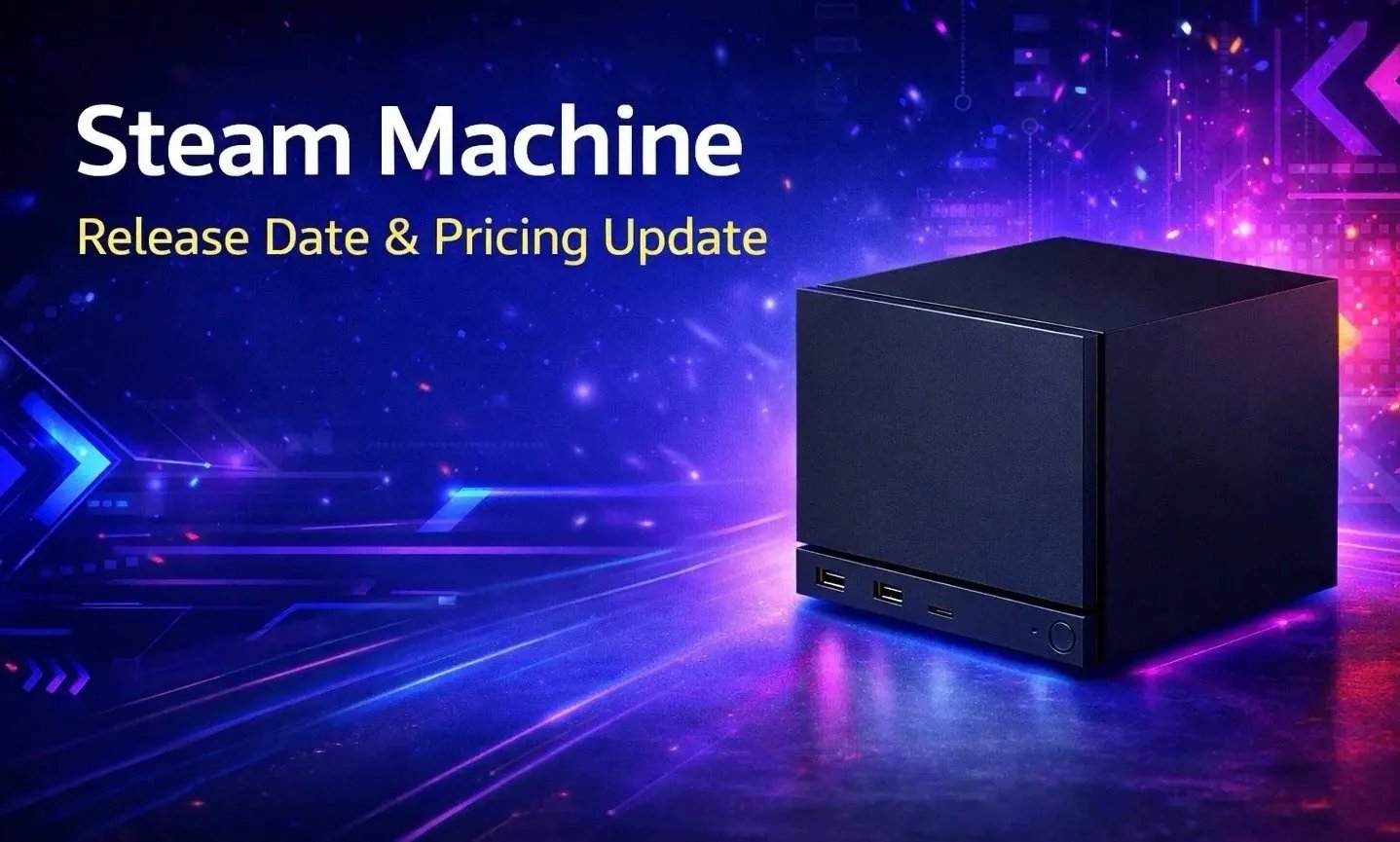



Steam Machine's future uncertain due to rising costs and component shortages. 2026 delay raises questions alongside early Xbox 2027 rumors.
The Steam Machine, Valve's foray into console gaming, is facing increased uncertainty. A recent update has cast doubt on the device's potential success as challenges mount.
Originally slated for earlier in 2026, the Steam Machine has been pushed back to late 2026. This delay is due to shortages of essential components, including DRAM (dynamic random-access memory) and SSDs (solid-state drives). These components are critical for the Steam Machine's performance and storage capabilities.
The delays highlight the ongoing difficulties in the global supply chain. Many tech companies are struggling to secure the necessary parts to manufacture their products. This situation is impacting the availability and cost of various electronics, including the Steam Machine.
The extended delay poses a significant risk to consumer interest. Waiting longer for a product can lead potential buyers to lose enthusiasm or explore alternative options. The delay could make it harder for Valve to gain traction in the competitive gaming market.
Adding to the uncertainty are questions surrounding the Steam Machine's eventual price point. The rising costs of components could force Valve to increase the price, making it less competitive against other gaming consoles and PCs.
Adding another layer of complexity, early rumors about a new Xbox console arriving as early as 2027 are beginning to circulate. While these are unconfirmed speculations, they contribute to the overall competitive landscape that the Steam Machine will face. A new Xbox would likely offer advanced features and performance, potentially overshadowing the Steam Machine if it arrives too late.
The Steam Machine is entering a market dominated by established console manufacturers like Microsoft (Xbox) and Sony (PlayStation), as well as the PC gaming ecosystem. Valve faces a tough challenge in carving out a niche for its device.
The combination of component shortages, rising costs, and potential competition from next-generation consoles makes the future of the Steam Machine uncertain. Valve will need to address these challenges effectively to ensure the device's success. The extended delay provides them with an opportunity to refine their strategy and optimize the hardware and software to meet market demands. However, they must act swiftly to avoid further eroding consumer interest and falling behind the competition.