Robots in Australian Aged Care: Experts Concerned
Experts are raising concerns about the increasing use of AI and robots in Australian aged care facilities, focusing on the potential impact on human interaction and care quality.
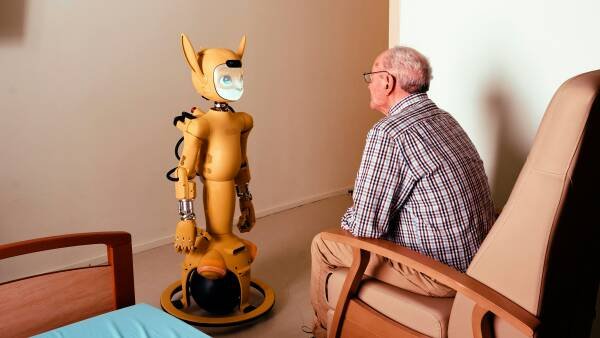



Experts are raising concerns about the increasing use of AI and robots in Australian aged care facilities, focusing on the potential impact on human interaction and care quality.
The increasing integration of artificial intelligence (AI) and robots into Australian aged care facilities is raising concerns among experts. While technology offers potential benefits, questions are being asked about its impact on the quality of care and the well-being of elderly residents.
Technology is rapidly changing various aspects of our lives, and aged care is no exception. Robots are being introduced to assist with tasks such as monitoring residents, providing companionship, and even helping with physical activities. This adoption of AI aims to address challenges faced by the aged care sector, including staff shortages and increasing demand for care.
The integration of AI and robots into aged care offers several potential advantages. These technologies can automate routine tasks, freeing up human caregivers to focus on more complex and personalized care. Robots can also provide constant monitoring, potentially improving safety and responsiveness to emergencies. Furthermore, AI-powered devices can offer companionship and cognitive stimulation, helping to combat social isolation and loneliness among elderly residents.
Despite the potential benefits, experts are voicing significant concerns about the growing reliance on robots in aged care. One primary concern is the potential reduction in human interaction. The elderly often require emotional support, empathy, and social connection, which are difficult for robots to replicate. Over-reliance on technology could lead to decreased opportunities for meaningful human contact, potentially negatively affecting the mental and emotional well-being of residents.
Another concern revolves around the quality of care. While robots can assist with certain tasks, they lack the nuanced understanding and judgment of human caregivers. Experts emphasize that the irreplaceable nature of human compassion, critical thinking, and personalized care planning cannot be replicated by machines.
The increasing use of AI in aged care also raises important ethical questions. Issues such as data privacy, informed consent, and the potential for bias in algorithms need careful consideration. It's crucial to ensure that the rights and dignity of elderly residents are protected as technology becomes more prevalent in their care.
Experts are advocating for a balanced approach to technology in aged care. While AI and robots can play a valuable role in supporting caregivers and enhancing certain aspects of care, they should not replace human interaction and empathy. The focus should be on using technology to complement and improve, not replace, the crucial human element in aged care.
Moving forward, it will be essential to carefully evaluate the impact of technology on the well-being of elderly residents. Open discussions involving experts, caregivers, policymakers, and the community are necessary to ensure that the integration of AI into aged care prioritizes the needs and values of those receiving care.