Moody's Q1 Profit Jumps: What it Means for the Economy
Moody's Corporation announces increased profits in Q1. Understand what this signifies for investors, the credit rating industry, and the broader economic landscape.
Moody's Reports Strong First Quarter Profit: A Deeper Dive
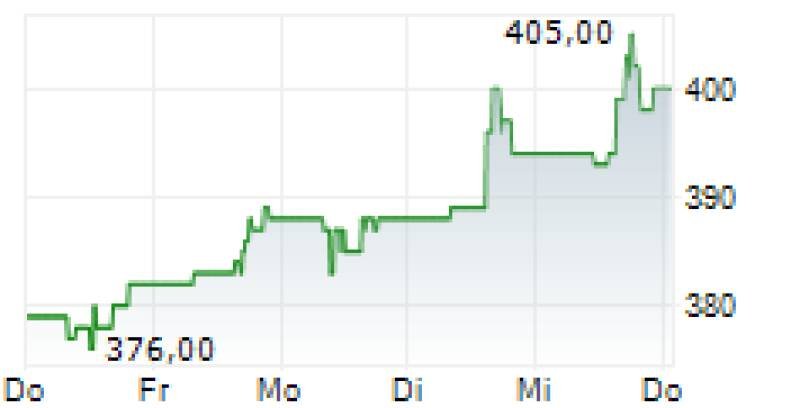
Moody's Corporation (MCO), a major player in the credit rating industry, recently announced a significant increase in profit for the first quarter of the year. The company's report shows a net income of $661 million, which translates to $3.73 per share. This is a notable jump compared to the same period last year, signaling positive momentum for the company. But what does this mean for you, the investor, and the overall economy? Let's break it down.
The Numbers Behind the Headlines
The headline figure, $661 million profit, is impressive. It demonstrates that Moody's core businesses, which include providing credit ratings, research, and risk analysis, are performing well. Credit ratings are vital because they influence borrowing costs for companies and governments. A higher credit rating generally means lower interest rates, making it cheaper to borrow money. Moody's profit reflects the demand for these crucial services.
Why This News Matters
A company like Moody's isn't just any business. Its health is an indicator of wider economic trends. Increased profit at Moody's could suggest:
* **Increased Debt Issuance:** Companies might be issuing more debt, requiring ratings from agencies like Moody's.
* **Strong Market Confidence:** Investors may feel more confident about the economy, leading to increased investment activity and demand for credit ratings on various financial instruments.
* **Improved Credit Quality:** Companies may be improving their financial standing, leading to more demand for positive credit assessments.
This news matters to anyone with investments, from individual stockholders to large institutional investors. It also indirectly impacts consumers through its effects on interest rates and overall economic stability.
Our Analysis
In our opinion, Moody's strong Q1 performance indicates underlying strength in certain segments of the financial market. The demand for credit ratings suggests that companies are actively participating in debt markets, either to raise capital for expansion or to refinance existing debt. This could be a sign of optimism among corporate leaders about future economic growth.
However, it’s important to remain cautious. Several factors can influence Moody's performance, including:
* **Interest Rate Hikes:** Rising interest rates could slow down borrowing activity, reducing the demand for credit ratings in the future.
* **Economic Slowdown:** A potential recession could lead to defaults and downgrades, affecting Moody's revenue and profitability.
* **Regulatory Changes:** Changes in financial regulations could impact the credit rating industry, creating new challenges or opportunities for Moody's.
Future Outlook
Looking ahead, Moody's faces both opportunities and challenges. The company's ability to adapt to changing market conditions and innovate its services will be crucial for its long-term success. We expect Moody's to continue investing in technology and data analytics to enhance the accuracy and efficiency of its credit ratings.
Potential Growth Areas
* **Sustainable Finance:** The growing demand for ESG (Environmental, Social, and Governance) investments presents a significant opportunity for Moody's to expand its services by providing ratings and assessments for green bonds and other sustainable financial instruments.
* **Private Credit:** The increasing popularity of private credit markets offers another avenue for growth, as Moody's can provide ratings and risk assessments for these less transparent investments.
* **Cyber Risk Assessment:** As businesses face increasing cyber threats, Moody's could further expand its offerings into assessing and rating the cyber risk profiles of various entities. This could impact investment decisions greatly.
Staying Vigilant
Ultimately, while the Q1 results are encouraging, Moody's performance is inextricably linked to the overall health of the global economy. Investors should monitor key economic indicators and policy changes to assess the potential impact on Moody's and the broader financial markets. This could impact the value of assets in the long term.