Gauteng Malaria Alert: Understanding the Rise in Imported Cases
Gauteng experiences a surge in imported malaria cases. Learn about the causes, risks, and what you can do to protect yourself. Expert analysis and future outlook included.
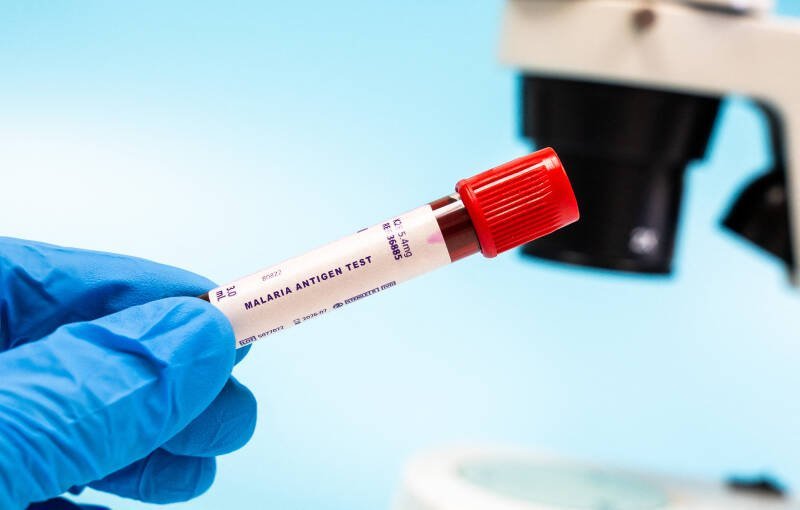



Gauteng experiences a surge in imported malaria cases. Learn about the causes, risks, and what you can do to protect yourself. Expert analysis and future outlook included.
The Gauteng Department of Health has issued an alert following a significant increase in imported malaria cases within the province. So far, 414 cases and 11 deaths have been reported. This marks a concerning jump from the 230 cases and just one death recorded in the previous year (2025).
Imported malaria refers to cases diagnosed in individuals who contracted the disease outside of Gauteng. Typically, these individuals have recently traveled to malaria-prone regions, such as areas in Limpopo, Mpumalanga, KwaZulu-Natal, or neighboring countries like Mozambique and Zimbabwe. Malaria is spread through the bite of infected Anopheles mosquitoes.
Unlike areas where malaria transmission is ongoing, Gauteng does not have established mosquito populations actively spreading the disease. Therefore, cases here are almost always linked to travel.
This increase in imported malaria cases highlights several critical points for the public in Gauteng:
In our opinion, several factors could be contributing to this increase. Increased travel is one obvious cause. As international and regional travel rebounds after the pandemic, more people are venturing into malaria-prone areas, raising the risk of infection. Economic pressures may also play a role, with more people traveling to neighboring countries for work opportunities in agriculture, mining, or construction – often sectors with high malaria risk.
Furthermore, a lack of awareness or inconsistent adherence to malaria prevention protocols among travelers could be a contributing factor. Some people may not realize they are traveling to a malaria area, or may not consistently take their antimalarial medication as prescribed.
We also think there may be gaps in surveillance and reporting in some areas, which means the true number of cases could be even higher than what is currently reported.
While not directly attributable to the current surge, climate change is increasingly being recognized as a factor that could influence malaria transmission patterns in the long term. Warmer temperatures and altered rainfall patterns could expand the geographical range of mosquitoes and potentially increase the risk of malaria in areas where it was previously uncommon.
The Gauteng Department of Health is likely to implement measures to address this increase, including:
This could impact travel to and from Gauteng, with potential travelers now more aware of the risk. More people might take extra steps to protect themselves, such as consulting a doctor beforehand.
In our opinion, a multi-pronged approach involving public education, improved surveillance, and strong regional collaboration is essential to curb this rise in imported malaria cases and protect the health of the Gauteng population. The success of these efforts will hinge on the commitment of healthcare providers, government agencies, and the public to work together to combat this preventable disease.
























