Mobile Lung Cancer Screening Comes to West Virginia: What It Means For You
LUCAS, a mobile lung cancer screening unit, is bringing vital LDCT scans to rural West Virginia. Learn why this matters and what it means for the future of early lung cancer detection.
Mobile Lung Cancer Screening Unit Brings Hope to Rural West Virginia
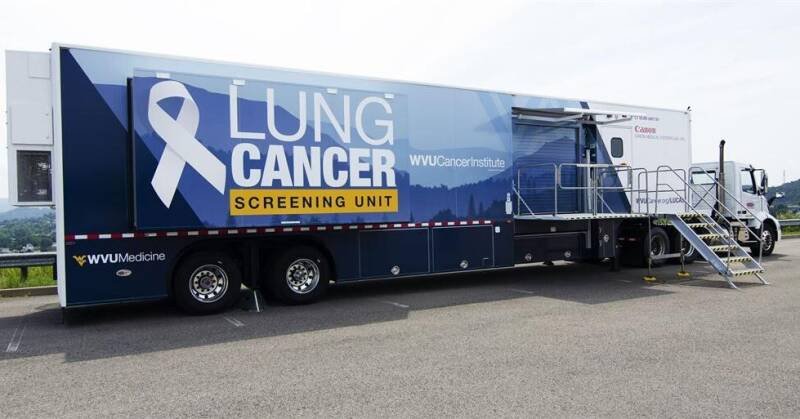
A groundbreaking mobile lung cancer screening unit, known as LUCAS, is making its way through Nicholas, Lewis, and Harrison counties in West Virginia. This state-of-the-art unit is offering low-dose computed tomography (LDCT) scans, a crucial tool for early lung cancer detection, directly to residents in Craigsville, Jane Lew, West Milford, and Clarksburg. This initiative aims to improve access to vital healthcare services for those who may face geographical or logistical barriers.
What is LUCAS and Why Is It Important?
LUCAS, short for the name, is a mobile medical unit equipped with advanced LDCT scanning technology. Unlike traditional screening methods, LDCT scans use a significantly lower dose of radiation, making them safer for regular screenings. This allows for the detection of lung cancer at its earliest stages, when treatment is most effective. The fact that this service is mobile means it can reach individuals who may not have easy access to hospitals or clinics.
Why This News Matters
Lung cancer is a leading cause of cancer deaths, but early detection dramatically increases survival rates. In rural areas like those in West Virginia, access to healthcare can be a significant challenge. LUCAS addresses this challenge head-on by bringing essential screening services directly to the communities that need them most. This mobile unit offers a vital lifeline for residents who might otherwise go without crucial early detection.
This initiative also highlights the growing importance of preventative healthcare. By proactively screening at-risk individuals, LUCAS can potentially save lives and reduce the burden of advanced lung cancer on patients and the healthcare system.
Our Analysis
In our opinion, LUCAS represents a significant step forward in addressing healthcare disparities in rural communities. The mobile unit not only provides convenient access to lung cancer screening but also raises awareness about the importance of early detection. This could impact the overall health outcomes of the residents of Nicholas, Lewis, and Harrison counties.
The deployment of LUCAS demonstrates a commitment to proactive healthcare. We believe this model of bringing healthcare services directly to the community is highly effective and could be replicated for other health conditions and in other underserved regions.
Potential Benefits of Mobile Screening
- Increased screening rates in rural areas
- Earlier detection of lung cancer
- Improved survival rates
- Reduced healthcare costs associated with advanced-stage cancer treatment
- Greater awareness of lung cancer risks and prevention
Future Outlook
The success of LUCAS in West Virginia could pave the way for the expansion of mobile lung cancer screening programs to other states and regions. This could impact not only lung cancer mortality rates, but also drive innovation in mobile healthcare delivery.
It will be crucial to track the long-term impact of LUCAS on lung cancer incidence and survival rates in the target counties. Continued funding and support for mobile healthcare initiatives are essential to ensure their sustainability and effectiveness.
Challenges and Opportunities
While LUCAS offers immense promise, some challenges need to be addressed. These include ensuring adequate staffing and resources for the mobile unit, reaching all eligible residents within the target areas, and providing follow-up care for those who require further evaluation or treatment.
However, the opportunities are significant. The positive impact of LUCAS could inspire other healthcare providers to adopt innovative strategies for delivering healthcare services to underserved communities. In our opinion, this model of mobile healthcare has the potential to transform healthcare access and improve health outcomes for populations facing geographical or logistical barriers.