Hybrid Battery Problems: Common Issues and What To Expect
Learn about the common problems drivers face with hybrid batteries, including reduced performance, overheating, and failure. Understand the future outlook and how to maintain your hybrid battery.
Hybrid Battery Problems: Common Issues and What To Expect
While fully electric vehicles (EVs) are grabbing headlines, hybrid cars remain a popular and practical choice for many drivers. They offer a blend of fuel efficiency and reduced emissions. However, like any technology, hybrid batteries can experience issues. Understanding these common problems is crucial for hybrid car owners.
What Are Hybrid Batteries?
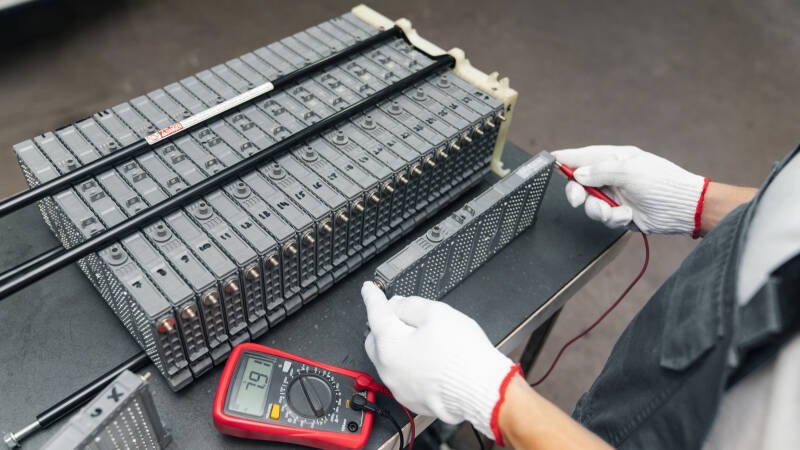
Hybrid cars use a combination of a gasoline engine and an electric motor, powered by a battery. These batteries are typically nickel-metal hydride (NiMH) or lithium-ion, similar to those found in laptops and smartphones, but on a much larger scale. They store energy generated from regenerative braking and assist the engine, improving fuel economy.
3 Common Hybrid Battery Problems
Here are three of the most frequent problems drivers encounter with their hybrid batteries:
1. Reduced Performance and Fuel Economy
One of the earliest signs of a failing hybrid battery is a noticeable drop in performance and fuel economy. You might find that your car struggles to accelerate, especially when relying on the electric motor. You may also see a decrease in your miles per gallon. This is because the battery's ability to store and deliver energy efficiently is diminished. This is often a gradual process, making it easy to miss initially.
Think of it like a phone battery that doesn't hold its charge as long as it used to. In a hybrid car, this directly translates to less electric assist and increased reliance on the gasoline engine.
2. Overheating
Hybrid batteries generate heat during operation, and they have cooling systems to maintain optimal temperatures. However, these systems can fail, leading to overheating. Overheating can severely damage the battery, reducing its lifespan and potentially causing it to fail altogether.
Symptoms of overheating might include warning lights on the dashboard, unusual smells, or even the car shutting down unexpectedly. Addressing overheating issues promptly is vital to prevent further damage. In our opinion, regular maintenance and inspection of the cooling system are essential.
3. Complete Battery Failure
Eventually, all batteries degrade over time, and hybrid batteries are no exception. Complete battery failure means the battery is no longer able to hold a charge or provide power to the electric motor. This can leave you stranded, as the car may not be able to start or drive without a functioning hybrid battery.
Battery failure can be caused by a number of factors, including age, extreme temperatures, and improper maintenance. Replacement is often the only solution.
Why This News Matters
Understanding these common hybrid battery problems empowers hybrid car owners to be proactive about maintenance and recognize potential issues early on. Early detection can save you money in the long run by preventing more significant damage and potentially extending the battery's lifespan. Furthermore, being aware of these problems helps you make informed decisions about whether to repair or replace your hybrid battery, or even consider upgrading to a newer vehicle.
Our Analysis
The prevalence of these issues highlights the importance of regular hybrid car maintenance, specifically focusing on the battery and its cooling system. While hybrid batteries are designed to last for many years, factors like driving habits and environmental conditions can significantly impact their lifespan. In our opinion, manufacturers should provide more transparent information regarding battery maintenance and expected lifespan under various conditions.
The growing popularity of EVs could indirectly affect hybrid battery prices. Increased demand for battery technology may drive down the cost of hybrid batteries as well, making replacements more affordable in the future.
Future Outlook
As battery technology continues to advance, we can expect to see improvements in hybrid battery performance, durability, and lifespan. Solid-state batteries, for example, promise higher energy density and improved safety, which could lead to more efficient and longer-lasting hybrid vehicles. This could impact the market positively.
Moreover, advancements in battery management systems will allow for more precise monitoring and control of battery health, further extending their lifespan and preventing premature failures.
The future of hybrid vehicles remains bright, but understanding and addressing common battery issues will be crucial for ensuring their continued reliability and appeal.