Baby Boomers and the Stalling of American Lifespans
A look at how Baby Boomers are a generation facing the reality of plateauing lifespans in the United States, after decades of increasing longevity.



A look at how Baby Boomers are a generation facing the reality of plateauing lifespans in the United States, after decades of increasing longevity.
The United States is experiencing a concerning trend: lifespan increases have stopped. After decades of progress in extending how long people live, this progress has plateaued.
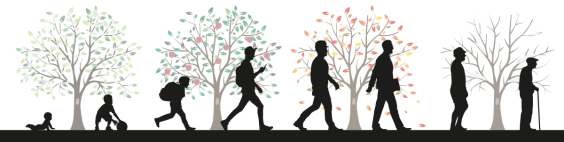
The Baby Boomer generation finds itself at a unique and somewhat unsettling point. They are a "transition generation." This means they experienced significant increases in lifespan during their early and middle years, benefiting from advancements in medicine and public health. However, they are now facing the reality that further increases in lifespan are no longer guaranteed. The benefits of rising longevity may be limited for this generation.
For many years, people in the United States could expect to live longer than the previous generation. This trend was fueled by better healthcare, improved sanitation, and advancements in understanding and treating diseases. These factors contributed to a steady rise in life expectancy. But that trend has come to a halt in recent years.
The reasons behind this stalled lifespan are complex and not fully understood. Factors potentially contributing to this phenomenon may include:
The plateau in lifespan has significant implications for individuals, families, and society as a whole. It raises questions about healthcare planning, retirement security, and the overall well-being of an aging population. It also prompts further research into the factors contributing to the stagnation in longevity and potential strategies for reversing this trend. Understanding why lifespans have stopped increasing is crucial for addressing the health and social needs of future generations.
The Baby Boomer generation is thus positioned as a crucial link in understanding the changing landscape of longevity in the United States. Their experiences highlight both the successes of past public health efforts and the emerging challenges that need to be addressed to ensure continued improvements in lifespan and quality of life.
This article is based on information from Nautilus.