Onalaska Father's Fight for Life-Saving Liver Transplant
Jordan Linders, an Onalaska father and recovering alcoholic, faces a life-threatening situation as he continues to be denied a liver transplant. This article explores his ongoing battle.
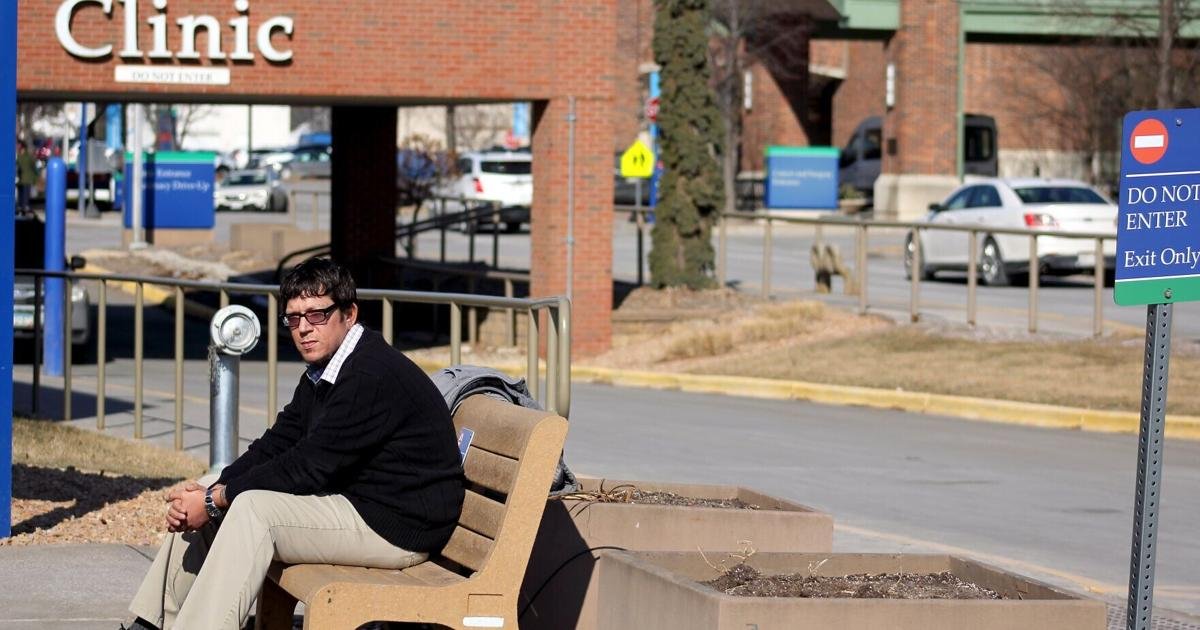



Jordan Linders, an Onalaska father and recovering alcoholic, faces a life-threatening situation as he continues to be denied a liver transplant. This article explores his ongoing battle.
An Onalaska father, Jordan Linders, is currently engaged in a difficult battle to receive a liver transplant, a procedure that could save his life. He has been denied a transplant for seven years.
Linders' situation highlights the complexities surrounding organ transplantation, particularly concerning patients with a history of alcohol abuse. Organ transplantation criteria often involve assessments of a patient's long-term sobriety and overall health, raising ethical and practical questions about who receives these scarce resources.
For seven years, Linders has been seeking a liver transplant. The reasons for his ongoing denial are tied to his history as a recovering alcoholic.
Liver transplants are life-saving procedures for individuals suffering from end-stage liver disease. This condition can arise from various causes, including chronic alcohol abuse. When the liver fails, the body cannot effectively filter toxins, leading to severe health complications and ultimately death. A transplant replaces the damaged liver with a healthy one from a deceased or living donor.
The allocation of organs for transplantation is a complex process guided by established ethical principles. Medical professionals must consider factors such as the severity of the patient's illness, their overall health, and their likelihood of benefiting from the transplant. In the case of patients with a history of alcohol abuse, transplant centers often evaluate their commitment to long-term sobriety to ensure the success of the transplant and the responsible use of a donated organ.
Alcoholism can severely damage the liver, leading to cirrhosis and liver failure. While recovery from alcoholism is possible, the damage to the liver may be irreversible, necessitating a transplant. However, a history of alcohol abuse raises concerns about the potential for relapse, which could further damage the transplanted organ. Therefore, transplant centers typically require a period of sustained sobriety and evidence of a strong support system before considering a patient for a transplant.
The need for organ donors far outweighs the available supply. Every day, many people die waiting for a life-saving transplant. Raising awareness about organ donation and encouraging people to register as donors is crucial to addressing this shortage and giving more individuals like Jordan Linders a chance at a healthy life.
The details of Jordan Linders' medical situation and the specific reasons for his continued denial are not publicly available. However, his story serves as a powerful reminder of the challenges faced by individuals seeking organ transplants and the ethical considerations involved in the allocation of these life-saving resources. He hopes he can receive a liver transplant in order to survive.