Plant Discoveries Fuel Botanical Research and Understanding
Seeds and plant samples donated to researchers are helping expand botanical knowledge and understanding.
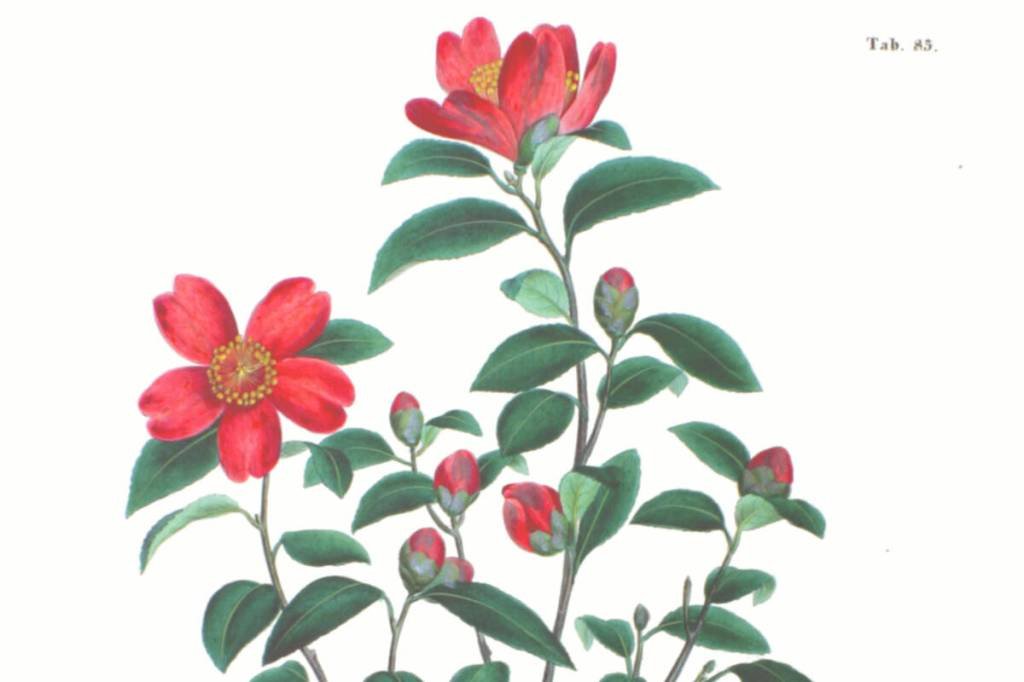



Seeds and plant samples donated to researchers are helping expand botanical knowledge and understanding.
Botanical research is constantly evolving, driven by new discoveries and a deeper understanding of the plant kingdom. A crucial element in this progress is the contribution of plant samples and seeds, often donated by individuals, which provide valuable insights for botanists and researchers.
The act of donating seeds and plants can have a significant impact on botanical research. These donations often serve as the foundation for new research projects, allowing scientists to study different plant species, their properties, and their potential uses. In essence, these seemingly small gifts unlock opportunities for scientific discovery.
Seeds are essential components of plant life. They contain the genetic blueprint for a new plant, enabling researchers to learn about plant evolution, adaptation, and diversity. By studying the seeds donated, botanists can delve into the fascinating world of plant genetics and identify unique traits. The process creates a deeper understanding of how plants have evolved over time and how they adapt to diverse environments.
Plant samples, such as leaves, stems, or roots, provide additional avenues for research. Scientists can extract DNA from these samples to analyze plant genetics and compare them to other species. These studies can help trace the ancestry of plants, reveal relationships between different species, and identify potentially new species. The research is essential to the ongoing effort to document Earth's biodiversity.
Beyond the physical plant material, another valuable contribution is local knowledge. People familiar with a particular region and its flora often possess unique insights into the properties and uses of local plants. This traditional knowledge can be invaluable to researchers, guiding their studies and potentially leading to the discovery of new medicinal or agricultural applications.
The cumulative effect of these donations is a significant expansion of botanical knowledge. Research informed by donated seeds, plant samples, and local expertise can lead to a better understanding of plant physiology, genetics, and ecology. This expanded knowledge has numerous practical applications, from developing new crops to conserving endangered species and finding novel medicines.
As our world faces challenges like climate change and habitat loss, the importance of botanical research grows exponentially. Plant donations remain a cornerstone of progress, providing researchers with the resources they need to unravel the mysteries of the plant kingdom. By supporting this vital research, we can unlock the full potential of plants to address global challenges and improve the quality of life for all.
Column: Botany battles boundaries Patients came, and with them gifts that mattered to a botanist: seeds, plants, and local knowledge