Mental Health Support Gaps Remain in BC Schools After Tragedies
Recent tragedies in Prince Rupert and Tumbler Ridge highlight the urgent need for better mental health support in British Columbia schools, particularly in rural areas.



Recent tragedies in Prince Rupert and Tumbler Ridge highlight the urgent need for better mental health support in British Columbia schools, particularly in rural areas.
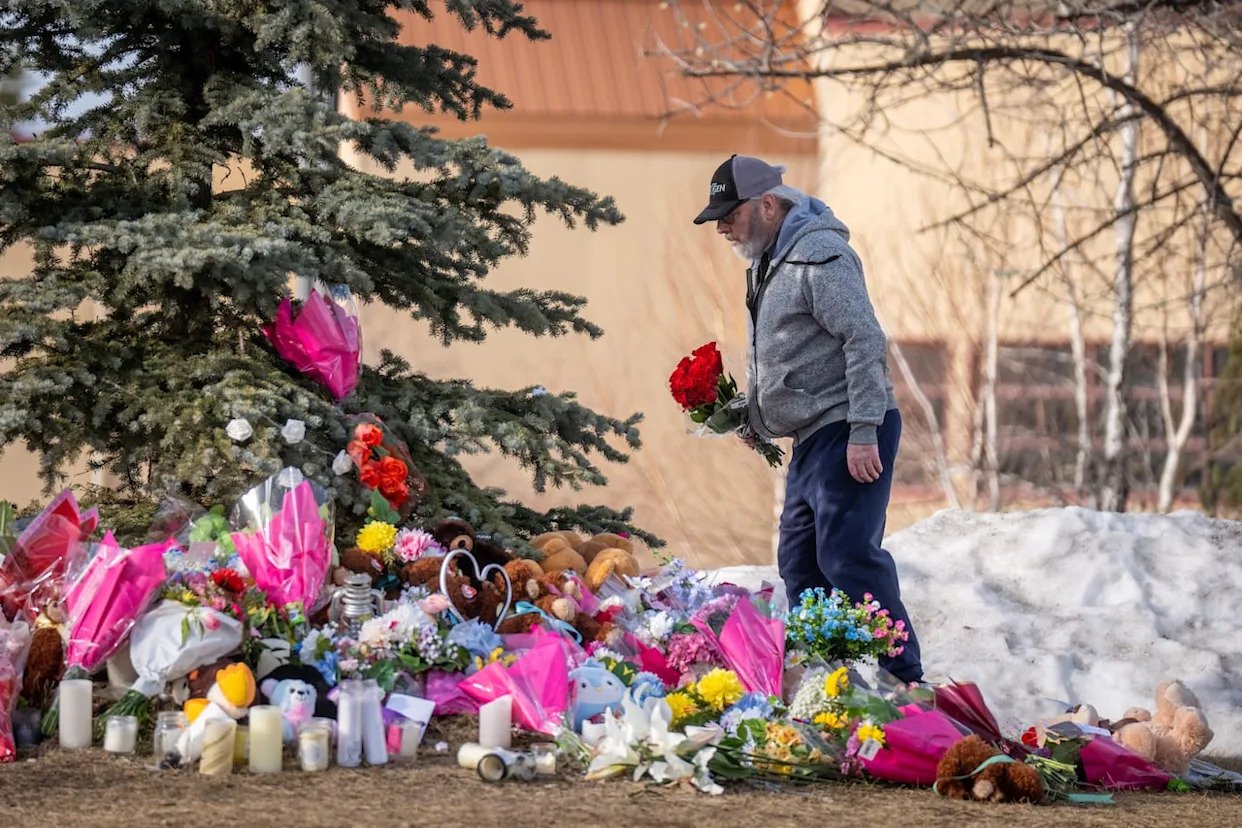
Recent tragic events in Prince Rupert and Tumbler Ridge, British Columbia, have underscored the pressing need for improved mental health support systems within the province's schools. These incidents have brought renewed attention to existing gaps in services, especially in rural and remote communities.
The British Columbia New Democratic Party (BC NDP) has pledged to provide a mental health counselor in every school throughout the province. This promise aims to address the growing mental health needs of students and provide accessible support for those who may be struggling. The intention is to create a more supportive environment within schools, where students can easily access help when they need it.
Despite this commitment, challenges remain in fully implementing this initiative, particularly in rural areas. Reaching remote schools and ensuring consistent access to mental health professionals presents logistical and resource-related obstacles. The vast geography of British Columbia and the dispersed nature of its rural populations complicate the task of providing equitable mental health services to all students.
Rural regions often face unique barriers when it comes to accessing mental health care. These challenges can include:
The combination of these factors contributes to a significant disparity in access to mental health services between urban and rural areas. This disparity can have serious consequences for the well-being of students in rural communities, potentially exacerbating mental health issues and hindering their academic success.
The lack of adequate mental health support in schools can have a wide-ranging impact on students, educators, and the community as a whole. Students who struggle with mental health issues may experience:
Furthermore, the absence of sufficient mental health support can place a significant burden on teachers and school staff, who may be ill-equipped to address the complex mental health needs of their students. This can lead to burnout and a less supportive learning environment for all.
The tragedies in Prince Rupert and Tumbler Ridge serve as a stark reminder of the critical importance of investing in mental health support for students, particularly in rural areas. Addressing the existing gaps in services requires a multi-faceted approach, including increased funding, improved recruitment and retention of mental health professionals, and innovative strategies to overcome geographic barriers. Continued efforts are needed to ensure that all students in British Columbia have access to the mental health support they need to thrive.