Australia's Fuel Security: $800M Plan to Double Reserves Amidst Global Uncertainty
Australia plans to invest $800 million to double its fuel reserves in response to geopolitical risks and potential supply disruptions. Understand the implications for consumers and the economy.
Australia's Big Bet on Fuel Security: $800 Million to Double Stockpiles
Australia is taking serious steps to bolster its fuel security, announcing a plan to invest $800 million to significantly increase its national oil reserves. This move comes amid growing concerns about potential disruptions to global supply chains, particularly through critical chokepoints like the Strait of Hormuz.
What's the Plan?
The core of the plan is to essentially double Australia's fuel reserves. This involves a multi-pronged approach, potentially including:
- Increasing domestic storage capacity: Building new storage facilities and expanding existing ones.
- Strategic partnerships: Collaborating with international partners to secure access to overseas fuel reserves.
- Diversifying supply sources: Reducing reliance on a single region and exploring alternative sources of fuel.
This investment signals a proactive approach by the Australian government to safeguard the nation's energy supply.
Why This News Matters
This announcement is significant for several reasons:
* **Economic Stability:** A stable fuel supply is critical for a functioning economy. Disruptions can lead to price hikes, impacting businesses and consumers alike.
* **National Security:** Energy security is national security. Having sufficient fuel reserves allows Australia to maintain essential services and defense capabilities in times of crisis.
* **Geopolitical Risks:** The increasing instability in regions like the Middle East, particularly around the Strait of Hormuz (a crucial oil shipping lane), highlights the vulnerability of global fuel supplies.
* **Consumer Impact:** ultimately, anything that impacts fuel impacts consumers - from petrol prices to the cost of goods transported on trucks and trains.
The Strait of Hormuz: A Potential Flashpoint
The Strait of Hormuz, a narrow waterway connecting the Persian Gulf to the Indian Ocean, is a vital artery for global oil trade. Any closure or disruption to shipping through this strait would have severe consequences for the global economy. Given Australia's reliance on imported fuel, securing alternative supplies is paramount.
Our Analysis
In our opinion, this is a necessary and prudent investment. Australia has historically been vulnerable to fuel supply shocks, and the current geopolitical climate makes this vulnerability even more acute.
The $800 million commitment is a substantial investment, but it's likely a fraction of the potential cost of a major fuel supply disruption. The move signals a growing awareness within the government of the importance of energy independence.
We believe that the success of this plan will depend on several factors:
* **Efficient Implementation:** The government needs to ensure that the funds are used effectively and that the projects are completed on time and within budget.
* **Strategic Partnerships:** Building strong relationships with reliable international partners will be crucial.
* **Diversification:** Relying on a single solution or supplier would defeat the purpose. A diverse and resilient supply chain is essential.
This could impact the domestic oil and gas industry, creating opportunities for investment and job creation. However, it is important that all investment is done through environmentally conscious companies.
Future Outlook
The push for greater fuel security is likely to continue, driven by both geopolitical instability and the global energy transition. We anticipate the following trends:
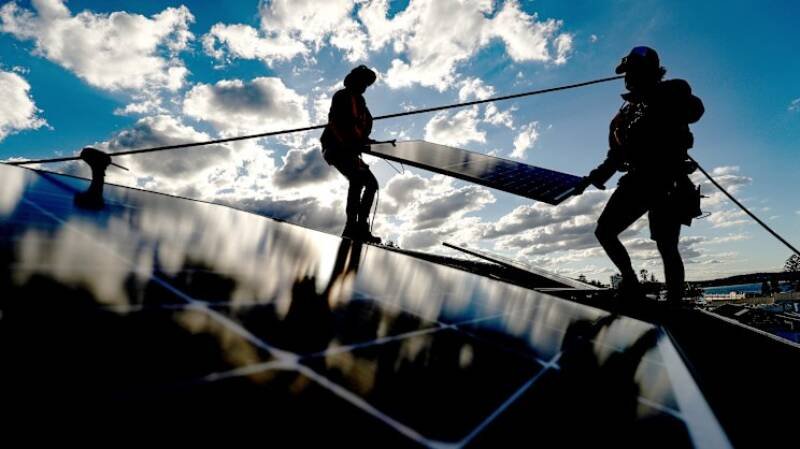
* **Increased investment in alternative fuels:** Expect to see more government support for renewable energy sources like solar, wind, and hydrogen.
* **Greater focus on domestic refining:** Strengthening Australia's domestic refining capacity could reduce reliance on imported refined products.
* **Enhanced monitoring and early warning systems:** Investing in systems to track global fuel supply risks and provide early warnings of potential disruptions.
This situation is not unique to Australia. Many countries are grappling with the challenge of balancing energy security with the need to transition to a cleaner energy future. How Australia navigates this challenge will have a significant impact on its economy and its role in the world. In conclusion, the move to secure Australia's fuel supply is a necessary step towards protecting the nation's economic and national interests in an increasingly uncertain world.