Xavier University Alumnae Reflect on Life in Segregated New Orleans
Two Xavier University alumnae reflect on their experiences navigating education and life in segregated New Orleans, highlighting the challenges and triumphs of their generation.
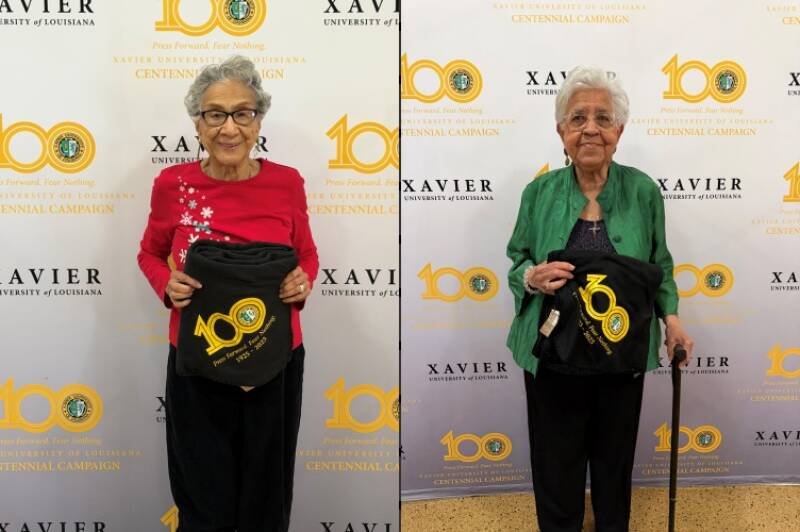



Two Xavier University alumnae reflect on their experiences navigating education and life in segregated New Orleans, highlighting the challenges and triumphs of their generation.
For Verlie Decay, 93, and Hortense Reine, 91, attending Xavier University of Louisiana over 70 years ago wasn't just about earning a degree. It was a transformative experience, a pathway to opportunity in a New Orleans deeply divided by segregation. These remarkable women recently shared their memories, offering a poignant glimpse into a bygone era.
Their stories reveal a time of immense challenges but also of incredible resilience. They recall forging their own social and cultural spaces within the university, forming bonds of friendship that would last a lifetime, and finding purpose in careers shaped by the stark realities of segregation. Xavier University, during this period, served as a vital incubator for Black talent and leadership.
During segregation, African Americans faced systemic discrimination in almost every aspect of life. Opportunities for education, employment, and even basic necessities were often limited. Xavier University, a historically Black Catholic university, provided a rare haven, a place where Black students could learn, grow, and build community without the constant sting of racial prejudice. These alumnae had to build their own social networks, create their own entertainment, and support each other in ways that students today may not fully comprehend.
Verlie and Hortense's careers were inevitably shaped by the constraints of segregation. Many professional fields were closed to Black individuals, forcing them to be resourceful and innovative in their pursuit of meaningful work. Despite these limitations, they carved out impactful careers, often serving their communities and paving the way for future generations. In our opinion, their achievements are a testament to their determination and the power of education to overcome adversity.
This story is more than just a historical anecdote; it's a vital reminder of the struggles and triumphs of the Civil Rights era. By listening to the voices of those who lived through segregation, we gain a deeper understanding of the impact of systemic racism and the importance of continued efforts towards equality. The experiences of Verlie Decay and Hortense Reine offer valuable lessons about resilience, community, and the pursuit of opportunity in the face of adversity.
The fact that these alumnae emphasize the importance of community and self-creation within the constraints of segregation speaks volumes. It highlights the proactive role that African Americans played in shaping their own destinies, even within a system designed to oppress them. Their stories challenge the narrative of passive victimhood and underscore the strength and agency of the Black community during this period.
Furthermore, the enduring friendships formed at Xavier University demonstrate the power of shared experience and mutual support. These bonds provided a critical foundation for navigating the challenges of segregation and achieving personal and professional success.
The legacy of Xavier University and its alumnae like Verlie and Hortense continues to inspire. As we reflect on their experiences, we must acknowledge the progress that has been made while also recognizing the ongoing challenges of racial inequality. This story serves as a call to action, urging us to continue fighting for justice and opportunity for all. This could impact the way current students view their educational opportunities, hopefully inspiring them to become agents of positive change.
It's crucial to preserve these personal narratives for future generations. Oral histories, archives, and educational programs play a vital role in ensuring that the lessons of the past are not forgotten. By learning from the experiences of those who lived through segregation, we can build a more just and equitable future for all.