Pope Leo XIV Responds to Trump on Iran War: Gospel Values vs. Political Pressure
Pope Leo XIV defends his calls for peace in the U.S.-Israel war with Iran, citing Gospel values in response to criticism from President Trump. Analysis, future outlook, and why this matters.
Pope Leo XIV Responds to Trump's Criticism on Iran War: Gospel Values at the Forefront
Pope Leo XIV, the American-born head of the Catholic Church, has publicly addressed President Donald Trump's recent criticism regarding the Vatican's stance on the escalating U.S.-Israel conflict with Iran. The Pope emphasized that the Vatican's appeals for peace and reconciliation are deeply rooted in the teachings of the Gospel.
Vatican's Plea for Peace: A Matter of Faith
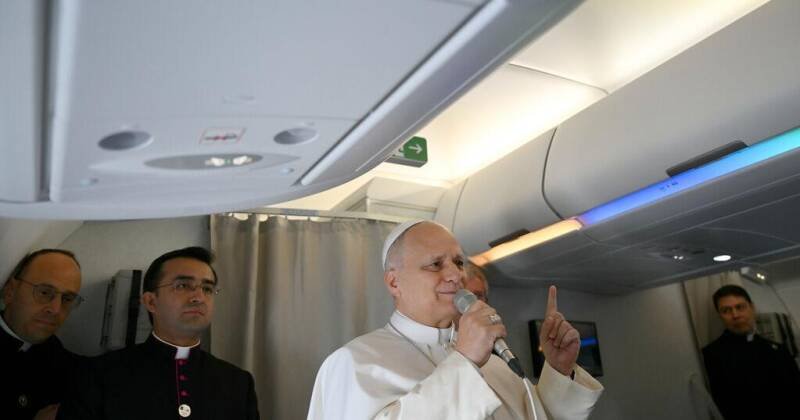
The Pope's statement comes after Trump publicly challenged the Vatican's calls for de-escalation and diplomatic solutions. Pope Leo XIV, however, remained firm, asserting that the Church's commitment to peace is not a political position, but a fundamental aspect of its faith. He told reporters that he does not fear Trump, citing the Gospel as a guide in these challenging times.
The core message here is clear: the Vatican believes in finding peaceful solutions to conflict, and it views the U.S.-Israel war with Iran as a situation demanding such an approach. The Pope's response indicates a willingness to stand firm on these principles, even in the face of political pressure.
Why This News Matters
This exchange highlights the complex intersection of religion and geopolitics. The Vatican, as a moral authority with global influence, often plays a crucial role in international affairs. The Pope's stance on the Iran war could potentially influence public opinion and diplomatic efforts.
Furthermore, it sheds light on the tension between prioritizing Gospel values of peace and reconciliation, and the realpolitik of international relations, where nations pursue their interests, often through military means. This clash raises important questions about the role of faith in shaping foreign policy.
Our Analysis
In our opinion, Pope Leo XIV's response is a carefully crafted message designed to both reaffirm the Vatican's commitment to peace and subtly push back against what it perceives as undue political interference. By grounding his argument in the Gospel, the Pope positions the Vatican's stance as one of moral imperative, rather than political calculation.
Trump's criticism, on the other hand, likely stems from a desire to maintain unwavering support for Israel and project an image of strength on the international stage. The Vatican's calls for peace, while well-intentioned, might be viewed by the Trump administration as undermining these objectives. This could impact the relationships between the US and the Vatican.
The Significance of the American-Born Pope
The fact that Pope Leo XIV is American-born adds another layer of complexity. It means he understands the American political landscape well. He understands Trump's priorities. He is unlikely to make political missteps.
Future Outlook
The conflict between the Vatican and the U.S. government regarding the Iran war is unlikely to dissipate quickly. The war will continue, and the Pope will likely continue to call for peace.
- The Vatican will continue to use its diplomatic channels to advocate for de-escalation and negotiations.
- The U.S. government may exert further pressure on the Vatican to align with its policies.
- Public opinion will be influenced by both sides, potentially leading to increased polarization.
- The conflict could impact the relationship between the Catholic Church in the United States and the Trump administration.
Ultimately, the situation underscores the enduring tension between religious ideals and political realities, and the crucial role that religious leaders can play in advocating for peace in a world often marred by conflict. The Pope's message is a reminder that faith can be a powerful force for reconciliation, even in the face of seemingly insurmountable challenges.