Rail Safety Crisis: Are Governments Ignoring Critical Lighting Standards?
Learn about the ongoing fight for mandatory rail lighting standards following decades of inaction after the Yarramony Level Crossing tragedy. Lara Jensen, a leading advocate, expresses frustration and calls for immediate change.
Rail Safety Crisis: Are Governments Ignoring Critical Lighting Standards?
For over 25 years, families and safety advocates have been calling for improved rail safety measures, particularly regarding lighting at level crossings. The push stems from tragic accidents like the one at Yarramony Level Crossing, which highlighted the critical need for better visibility to prevent future tragedies.
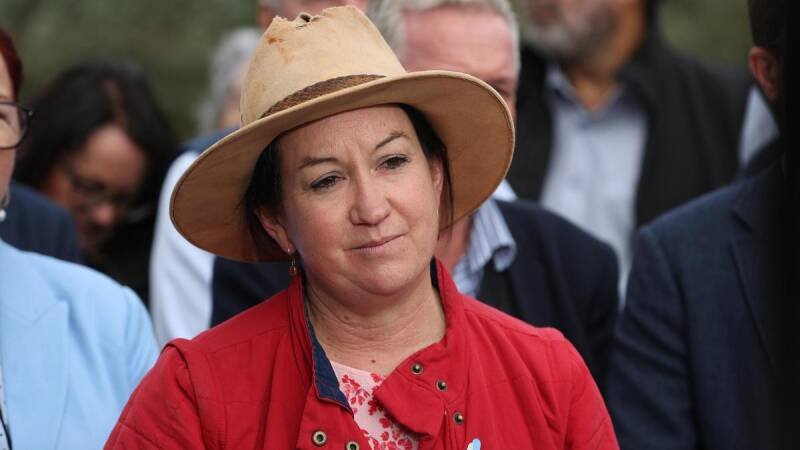
Lara Jensen, a pastoralist from Wondinong and a passionate rail safety campaigner, has recently voiced her extreme frustration with the continued lack of action from governments. She describes feeling a “complete gutful” of the delays and what she perceives as a continuous cycle of promises without concrete implementation.
The Yarramony Legacy: A Constant Reminder
The Yarramony Level Crossing accident serves as a stark reminder of the potential consequences of inadequate safety measures. The incident sparked a long-standing debate about the necessity of mandatory lighting standards at rail crossings across the country. The argument is simple: better lighting significantly improves visibility, giving drivers and pedestrians more time to react and avoid collisions.
Despite numerous recommendations and pleas from affected families, governments have repeatedly postponed or avoided implementing nationwide, mandatory lighting standards. This inaction fuels the frustration of campaigners like Jensen, who see it as a blatant disregard for public safety.
Why This News Matters
This news highlights a critical gap in our nation's transportation infrastructure. Rail crossings, particularly in rural areas, often lack adequate lighting, making them incredibly dangerous, especially at night or during periods of low visibility. The failure to implement mandatory lighting standards puts countless lives at risk and perpetuates a cycle of preventable accidents.
This isn't just about statistics; it's about real people, families, and communities affected by these tragedies. The inaction sends a message that safety is not always a top priority, and that's simply unacceptable. This news underscores the urgent need for government accountability and a commitment to protecting its citizens.
Our Analysis
In our opinion, the continued delays in implementing mandatory lighting standards reflect a complex interplay of factors, including budgetary constraints, bureaucratic inertia, and potentially, a lack of political will. While the cost of upgrading every rail crossing in the country is undoubtedly significant, it pales in comparison to the cost of a single preventable accident – both in terms of human lives and economic impact.
Furthermore, the lack of a unified approach to rail safety across different states and territories further complicates the issue. A national standard would ensure consistency and eliminate loopholes, making it easier to enforce safety regulations and hold responsible parties accountable. The current fragmented system allows for inconsistencies and creates opportunities for risks to be overlooked.
Future Outlook
The future of rail safety hinges on sustained public pressure and a willingness from governments to prioritize infrastructure improvements. Campaigners like Lara Jensen play a crucial role in keeping this issue in the spotlight and demanding action. The upcoming elections could be a pivotal moment, as candidates will be forced to address their stance on rail safety and outline their plans for addressing the existing shortcomings.
This could impact local communities by creating safer passage, reducing the chance of tragic accidents and increase property value. Safety measures could attract more businesses and tourism.
Increased adoption of technology, such as advanced warning systems and automated crossing barriers, could also play a significant role in improving rail safety. However, these technologies are only effective if they are properly maintained and supported by robust regulatory frameworks. A more proactive approach is needed, one that prioritizes prevention and addresses potential risks before they escalate into tragedies.
We believe that a multi-faceted approach, combining mandatory lighting standards, technological advancements, and stronger regulatory oversight, is essential to creating a safer and more reliable rail network for all.