Wells Gray Park Massacre: Will Justice Prevail After 44 Years?
Learn about the ongoing fight to keep David Ennis (Shearing), the killer behind the Wells Gray Park massacre, behind bars 44 years later. Understand the impact on the victims' families and the potential implications for parole hearings.
Wells Gray Park Massacre: A Family's Fight for Justice Continues After 44 Years
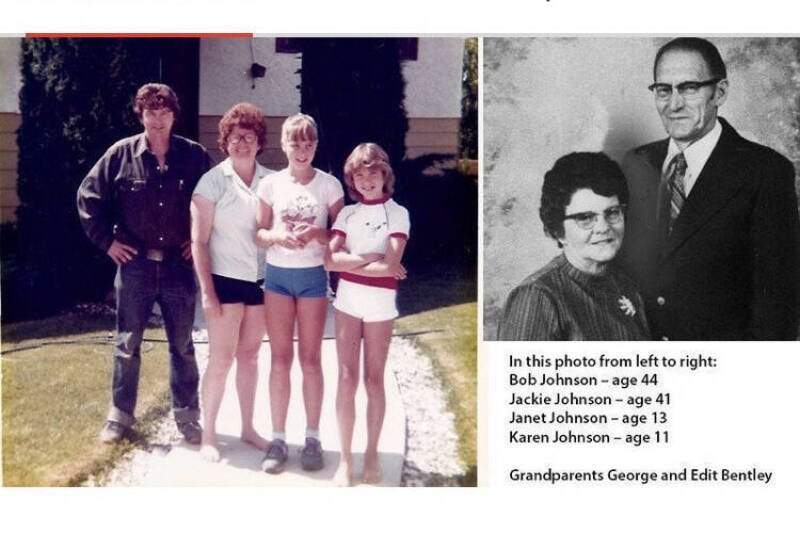
Forty-four years after one of British Columbia's most horrific crimes, the fight for justice continues. In 1982, David Ennis (formerly known as Shearing) brutally murdered six members of the Johnson Bentley family in Wells Gray Provincial Park. Now, family and friends are rallying to ensure he remains behind bars.
The Crime: A Brutal Act of Violence
David Ennis committed an unspeakable act of violence against the Johnson Bentley family. This terrible massacre shocked the nation and continues to haunt the memories of those connected to the victims. The sheer brutality of the crime understandably continues to leave a painful legacy for those who were affected.
Why This News Matters
This story isn't just about a crime that happened decades ago. It highlights the ongoing struggle for victims' families to ensure justice is served. It also raises important questions about the parole system, the rights of victims, and the balance between rehabilitation and public safety. This case is a reminder of the lasting impact of violent crime and the importance of remembering the victims.
The Parole Hearing Process
In Canada, even those convicted of heinous crimes are eligible for parole. The parole board considers various factors, including the offender's behavior in prison, their likelihood of re-offending, and the impact their release would have on the community and victims’ families. These hearings are often incredibly traumatic for the families who are forced to relive the horror of the crime and advocate against the release of the person who caused so much pain.
Our Analysis
In our opinion, this case underscores the immense burden placed on victims' families within the Canadian justice system. They must repeatedly confront the trauma of the crime while advocating for the continued incarceration of the offender. The parole board needs to give significant weight to the victim's perspective, ensuring their safety and peace of mind are prioritized. It's crucial that the justice system adequately supports victims and their families through the parole process.
We believe that public safety must be paramount. While rehabilitation is a vital goal, it should not come at the expense of potentially endangering the community. The parole board must carefully assess the risk posed by Ennis and make a decision that reflects the gravity of his crimes and the ongoing threat he may pose.
Future Outlook
The fight to keep Ennis behind bars is likely to continue for the foreseeable future. He will likely be eligible for future parole hearings, requiring the Johnson Bentley family and their supporters to remain vigilant and continue advocating for justice.
Potential for Changes in Parole Considerations
This case could impact future parole considerations for offenders convicted of violent crimes. Increased public awareness of the challenges faced by victims' families may lead to calls for reforms in the parole system, ensuring that victims' rights are better protected and that public safety remains the top priority. This could mean stricter criteria for parole eligibility and greater emphasis on the lasting impact of the crime on the victims and their families.
The Enduring Legacy
The Wells Gray Park massacre will forever be a dark chapter in Canadian history. It serves as a reminder of the devastating consequences of violence and the enduring need for justice and support for victims' families. It is a case that deserves continued attention, not just for the sake of the victims, but also to ensure that lessons are learned and that the justice system strives to prevent such tragedies from happening again.
It is essential to remember the Johnson Bentley family and the impact their tragic loss has had on their loved ones and the wider community. Their memory lives on, and their story continues to fuel the fight for justice.