Housing Market Squeeze: Why First-Time Home Buyers Are Facing an Uphill Battle
The housing market is tough for first-time buyers! We break down the challenges, offer analysis, and explore the future outlook. Learn why low interest rates and construction delays are causing a housing shortage.
Housing Market Squeeze: Why First-Time Home Buyers Are Facing an Uphill Battle
Buying your first home is a huge milestone, but right now, it feels more like climbing Mount Everest. The current housing market is particularly challenging for first-time buyers, and understanding why is crucial.
What's Going On?
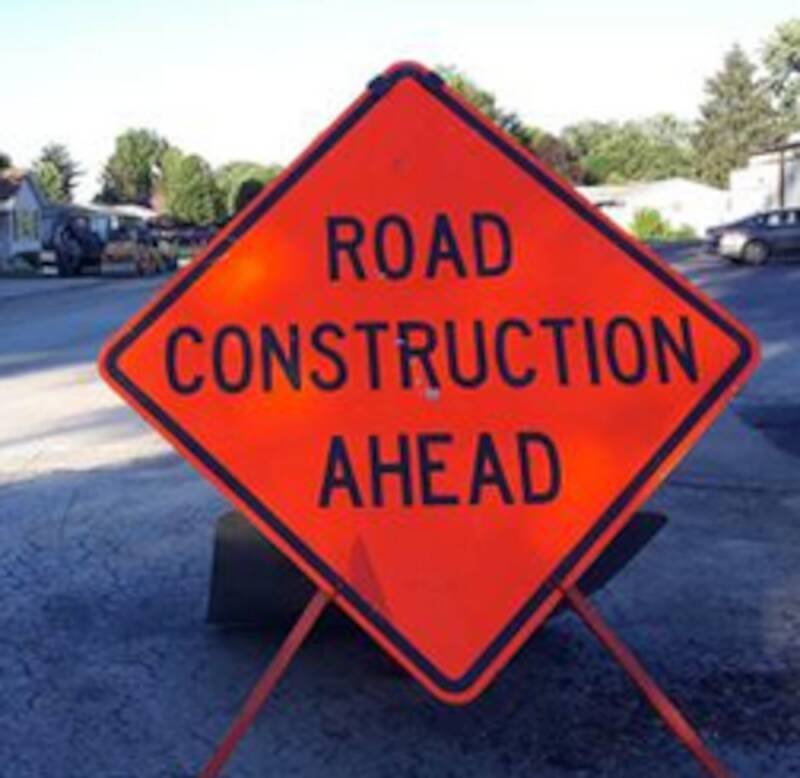
The housing market is a bit like a slow-moving train. It takes time for new houses to be built – from getting permits to completing construction. This delay means that supply can't always keep up with demand.
On top of that, many homeowners are reluctant to sell right now. Why? They locked in super-low mortgage interest rates a few years ago. Selling their home and buying a new one would mean taking on a much higher interest rate, significantly increasing their monthly payments. They're essentially "stuck" with their current mortgages.
Why This News Matters
This situation affects everyone, not just first-time buyers. A tight housing market can:
- Drive up home prices, making it harder for anyone to afford a home.
- Reduce the number of available homes, limiting choices.
- Slow down the economy, as people spend less on other things when housing costs are high.
- Increase rental costs, as more people are forced to rent due to unaffordability.
For first-time buyers specifically, the dream of homeownership can seem further away than ever. Saving for a down payment is already tough, and rising prices make it even more difficult.
Our Analysis
The combination of slow construction and homeowners holding onto low mortgage rates has created a perfect storm. The inventory of homes for sale is low, and demand remains relatively high (although softened recently), driving up prices.
In our opinion, the low-interest rate environment of the past few years, while beneficial to those who locked in those rates, has unintentionally contributed to the current affordability crisis. The market's inertia, due to these attractive rates, is making it hard for new buyers to enter the market.
Impact on First-Time Buyers
This situation is especially detrimental to first-time buyers. They often have limited savings and less flexibility. They are competing with seasoned buyers with more resources and fewer financial constraints.
This could impact their ability to build wealth and achieve long-term financial security. Homeownership has traditionally been a key pathway to wealth creation, and this barrier is making it harder for a whole generation to access that opportunity.
Future Outlook
Predicting the future of the housing market is always tricky, but here are some factors to watch:
- Interest Rates: As interest rates stabilize or potentially decrease, more homeowners may be willing to sell.
- Construction Activity: Increased construction of new homes could help ease the supply shortage.
- Economic Conditions: A strong economy could continue to fuel demand, while a recession could dampen it.
- Government Policies: Policies aimed at increasing housing affordability, such as tax credits or down payment assistance programs, could make a difference.
It's unlikely we'll see a dramatic shift overnight. The market is likely to remain competitive for first-time buyers for the foreseeable future. Patience, careful planning, and exploring all available options will be key. Consider exploring different areas, being flexible with your needs versus wants, and working with a knowledgeable real estate agent who can help you navigate the challenges.
In conclusion, the housing market presents significant hurdles for first-time home buyers due to construction lags and the lock-in effect of low interest rates. Keep informed on factors that can shift the market and stay prepared for the complexities of the current real estate environment.