BC Inland Ferry Dispute: Essential Service or Political Football?
A British Columbia regional district is fighting to have inland ferries declared an essential service, preventing future disruptions. We analyze the implications, future outlook, and why this seemingly local issue matters to everyone.
BC Inland Ferry Dispute: Essential Service or Political Football?
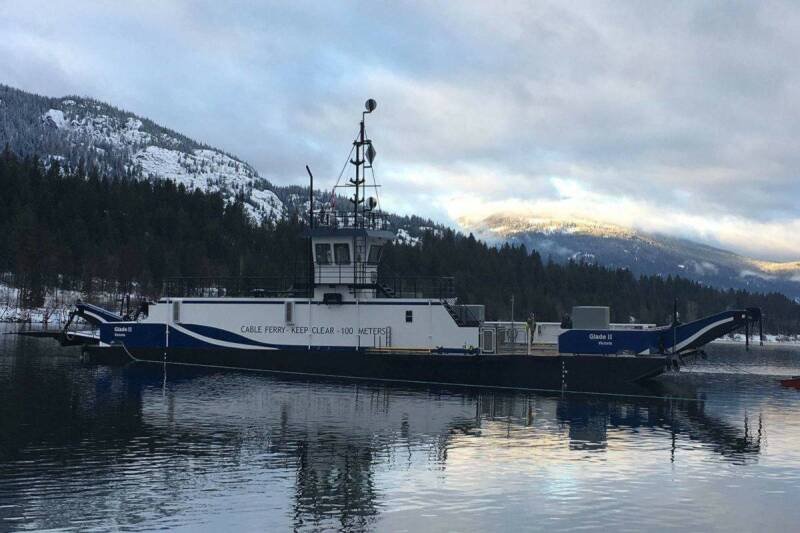
The Regional District of Central Kootenay (RDCK) in British Columbia is currently locked in a struggle to have inland ferries designated as an "essential service." This designation would legally prevent future work stoppages, ensuring reliable transportation for residents. The RDCK wants to avoid disruptions like previous labour disputes that left communities stranded.
What's the Issue?
The core problem stems from the potential for labour disputes to halt ferry operations. These ferries aren't just a convenience; they're a lifeline for many communities in the region. When ferries stop running, residents face significant challenges accessing essential services like healthcare, education, and employment.
The RDCK argues that the current situation leaves these communities vulnerable and that declaring the ferries an essential service is the only way to guarantee consistent access. They believe this move would provide stability and predictability for both residents and businesses.
Why This News Matters
While this issue is localized to the Regional District of Central Kootenay, the implications are far-reaching. It highlights the vulnerability of communities dependent on specific transportation infrastructure and raises questions about the responsibilities of government and unions in ensuring essential services remain accessible. A decision here could set a precedent for other regions facing similar challenges with isolated communities dependent on ferry services.
Think about it: if a remote community is cut off from essential services due to a strike, the consequences can be devastating. This dispute forces us to consider what constitutes an "essential service" in the 21st century and who ultimately bears the responsibility for ensuring its consistent delivery.
Our Analysis
In our opinion, the RDCK's position has merit. The potential impact of ferry disruptions on isolated communities is undeniable. Declaring these ferries an essential service could provide a crucial safety net. However, it's also important to consider the perspective of the unions representing ferry workers. They have legitimate concerns about collective bargaining rights and ensuring fair treatment for their members. A solution must balance the needs of the community with the rights of the workers.
The challenge lies in finding a compromise that protects the public interest without unduly infringing on the rights of workers. This could involve measures like mandatory arbitration in the event of a deadlock in negotiations, or the implementation of minimum service levels during a strike.
Possible Solutions
- Essential Service Designation: Legally prevents work stoppages but requires careful consideration of workers' rights.
- Mandatory Arbitration: Requires a neutral third party to resolve disputes, preventing strikes.
- Minimum Service Levels: Ensures a basic level of ferry service is maintained during a labour dispute.
Future Outlook
The future of this dispute remains uncertain. The RDCK will likely continue to lobby the provincial government to designate the inland ferries as an essential service. The unions will undoubtedly resist any measures that they believe undermine their collective bargaining rights. The outcome will depend on the willingness of all parties to engage in constructive dialogue and find a solution that addresses the legitimate concerns of everyone involved.
This could impact similar services across BC. If the RDCK is successful, other regions dependent on ferry services may also push for essential service designations. This could lead to a broader debate about the role of government in ensuring essential transportation for remote communities.
Ultimately, the resolution of this dispute will have a significant impact on the residents of the Regional District of Central Kootenay and could shape the future of transportation policy in British Columbia. We will continue to monitor this situation and provide updates as they become available.