Potholes and Politics: What Road Repair Reveals About Government Priorities
Potholes aren't just an inconvenience; they're a sign of a government's priorities. We explore how road maintenance impacts public trust and political stability.
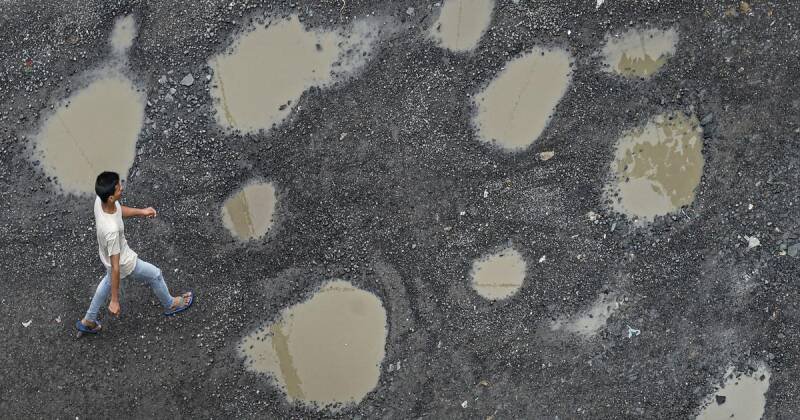



Potholes aren't just an inconvenience; they're a sign of a government's priorities. We explore how road maintenance impacts public trust and political stability.
Potholes. Those jarring bumps in the road. They're a universal nuisance, but they're more than just an inconvenience. They’re a powerful indicator of a government's priorities and its relationship with its citizens. From the bustling streets of New York to the winding roads of Kerala, India, the state of road maintenance speaks volumes about governance and public trust.
At first glance, a pothole seems like a minor issue. A bit of crumbled asphalt, a temporary discomfort. However, neglecting these small problems can lead to bigger problems, both literally and figuratively. Deteriorating roads can damage vehicles, cause accidents, and even impact emergency response times. More importantly, persistent potholes erode public confidence in the government's ability to address even basic needs. Imagine driving on a road riddled with potholes every day – it sends a clear message that your needs are not being prioritized.
The failure to maintain roads has significant political consequences. When governments consistently address small problems like potholes, it builds "political legitimacy," which means citizens see the government as effective and trustworthy. By fixing these issues, administrations demonstrate that they are paying attention to the daily concerns of their constituents. When this doesn't happen, it leads to distrust, anger, and can fuel political instability. Neglecting these problems implies the government is either incompetent or doesn't care, or both.
In our opinion, the article's key point is simple: paying attention to the small things matters. Road maintenance is not a glamorous issue, but its impact is far-reaching. It affects everyone from commuters to businesses to emergency services. A well-maintained infrastructure reflects a government that is organized, efficient, and responsive to the needs of its citizens.
The contrast between governments that proactively address potholes and those that don't is stark. Those that prioritize infrastructure investments, even in seemingly minor areas like pothole repair, tend to foster greater public trust and political stability. On the other hand, governments that neglect these basic responsibilities risk alienating their citizens and undermining their own authority. This neglect is a slippery slope - it starts with potholes and can quickly extend to other areas of public service.
The cost of repairing potholes is often less than the long-term cost of neglecting them. Over time, unrepaired potholes expand and damage surrounding road surfaces, requiring more extensive and expensive repairs. This 'penny wise, pound foolish' approach is a common mistake governments make that leads to wasted resources in the long run.
The future of road maintenance depends on several factors, including government funding, technological advancements, and public awareness. Increased investment in infrastructure is essential, but it's also crucial to adopt innovative techniques and materials for road construction and repair. This could involve using more durable asphalt mixtures, implementing predictive maintenance programs, or leveraging data analytics to identify and address potential problem areas before they become major issues.
Technology can play a key role in improving road maintenance. For example, drones can be used to inspect roads and identify potholes, while advanced sensors can monitor road conditions in real-time. Data analysis can help governments prioritize repairs and optimize resource allocation. Furthermore, citizen reporting apps can empower the public to report potholes and other road hazards directly to the authorities. This collaborative approach can lead to faster and more efficient responses.
This could impact political stability. Public trust in government hinges on its ability to provide basic services. By prioritizing road maintenance and addressing the pothole problem, governments can demonstrate their commitment to improving the lives of their citizens and building a stronger, more resilient society. Ignoring this issue has the potential to breed more frustration, apathy, and ultimately, political instability.
Ultimately, the humble pothole serves as a reminder that good governance is not just about grand policies and ambitious projects; it's also about paying attention to the small details that affect people's daily lives.
























