Namibian Banks and Fraud: Who Protects the Victims?
Namibian banks lack policies to refund fraud victims despite rising fraud rates. What does this mean for consumers? Our analysis and future outlook.



Namibian banks lack policies to refund fraud victims despite rising fraud rates. What does this mean for consumers? Our analysis and future outlook.
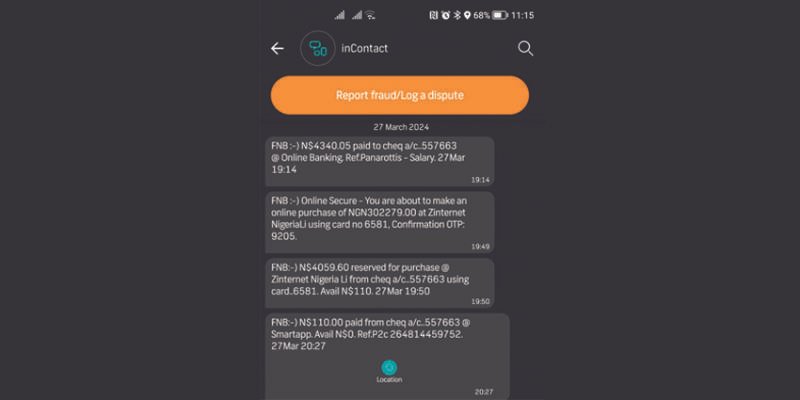
A recent report highlights a worrying trend in Namibia: commercial banks generally lack formal policies for refunding customers who fall victim to fraud. This means if you lose money to scammers, your bank may not offer any recourse.
This revelation comes at a time when fraud is rampant in the country. The Bank of Namibia (BoN), the central bank, recently disclosed that Namibians are losing a staggering N$6 million (approximately $315,000 USD) *every month* to fraudsters. That's over N$200,000 ($10,500 USD) lost *daily*.
The sheer volume of money being stolen through fraudulent activities is alarming. Imagine the impact on individual households and the overall Namibian economy. This problem isn't just a few isolated incidents; it's a systemic issue that demands immediate attention.
This news has significant implications for every Namibian who uses banking services. It raises serious questions about the level of protection banks offer their customers against increasingly sophisticated scams. Without clear refund policies, customers are left bearing the entire financial burden of fraud, a burden that many cannot afford.
In our opinion, the lack of refund policies represents a significant failure on the part of Namibian banks. While preventing fraud is paramount, having robust policies in place to assist victims is equally crucial. Banks profit from customer deposits and transactions, and they have a moral and ethical obligation to protect their customers from financial harm.
We believe this situation stems from several factors:
While banks need to step up, consumer education is also essential. Many scams succeed because people are unaware of the red flags. Increased awareness can empower individuals to protect themselves from becoming victims. The BoN and other organizations should invest in public awareness campaigns to educate people about common scams and how to avoid them.
The future outlook depends on several factors:
This could impact the way banks operate in Namibia, potentially leading to increased investment in cybersecurity and enhanced consumer protection measures. In our opinion, without meaningful change, the problem of fraud will only worsen, further eroding public trust in the banking system.
Ultimately, a collaborative effort involving banks, regulators, and consumers is needed to create a safer and more secure financial environment for all Namibians.