Warren Buffett Zero Inflation Target: Risks and Rewards Explained
Warren Buffett advocates for zero inflation. We break down the risks, economist opinions, and what it means for your finances. Expert analysis and future outlook included.
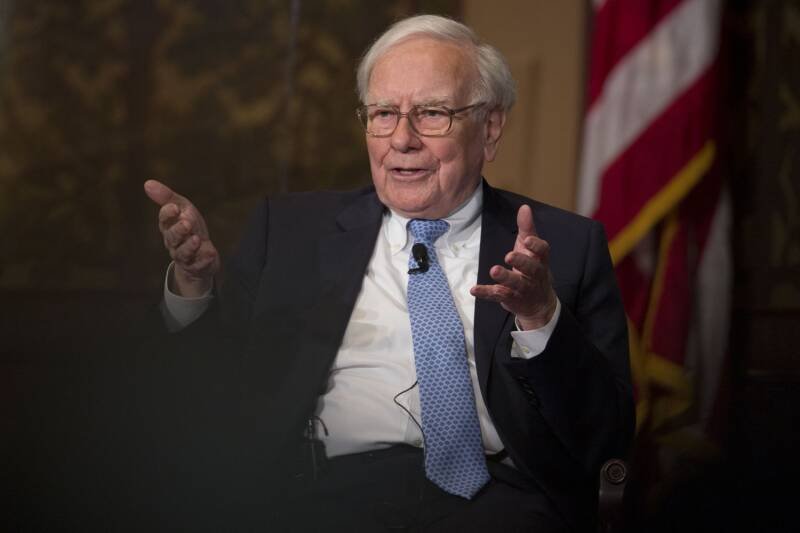



Warren Buffett advocates for zero inflation. We break down the risks, economist opinions, and what it means for your finances. Expert analysis and future outlook included.
Warren Buffett, the legendary investor, recently made headlines by suggesting the Federal Reserve (the Fed) should target zero inflation. He views the current 2% inflation target as a "compounding tax" on savers. But what does this mean, and why are economists wary of this seemingly beneficial goal?
Buffett's concern is straightforward: inflation erodes the purchasing power of savings. Even at a moderate 2% annual inflation rate, prices gradually increase, making it more expensive to buy goods and services over time. For savers who rely on fixed incomes or conservative investments, this can significantly impact their financial well-being. A zero inflation target, in theory, preserves the value of savings and allows for more predictable financial planning.
Buffett's opinion carries immense weight due to his decades of investing experience and his reputation for sound financial judgment. His call for zero inflation forces us to reconsider the Fed's current strategy and its long-term impact on the economy and individual finances. It highlights the tension between stimulating economic growth through moderate inflation and protecting the value of savings.
While zero inflation sounds appealing, economists caution against its potential downsides. Here are some key concerns:
In our opinion, Buffett's sentiment is understandable, particularly for savers and those on fixed incomes. However, aiming for zero inflation is a high-stakes gamble. The potential for triggering deflation and its associated economic woes outweighs the benefits of perfectly stable prices. The Fed's current 2% target is a compromise, aiming to balance economic growth with price stability. A sudden shift towards a zero inflation policy would likely cause significant market disruption and economic uncertainty.
The Federal Reserve constantly monitors various economic indicators, including inflation, employment, and economic growth. Its primary tool for managing inflation is adjusting interest rates. Raising interest rates can cool down the economy and curb inflation, while lowering rates can stimulate economic activity. Striking the right balance is crucial, and the Fed faces a challenging task in navigating the complexities of the modern economy.
It's unlikely the Federal Reserve will drastically change its inflation target to zero anytime soon. The risks are simply too significant. However, Buffett's comments will undoubtedly fuel the ongoing debate about the optimal level of inflation and the best strategies for maintaining economic stability.
This could impact your financial planning. Whether you're a saver, investor, or borrower, understanding the potential consequences of different inflation scenarios is essential for making informed decisions. Consider diversifying your investments, exploring inflation-protected securities, and consulting with a financial advisor to navigate the evolving economic landscape.