Who Owns Valero? Understanding the Ownership and Impact of This Major Gas Station Brand
Dive into the ownership structure of Valero gas stations, their impact on the fuel market, and what the future holds for this iconic brand. Learn about Valero's operations and its influence on consumers.
Who Owns Valero Gas Stations? A Deep Dive
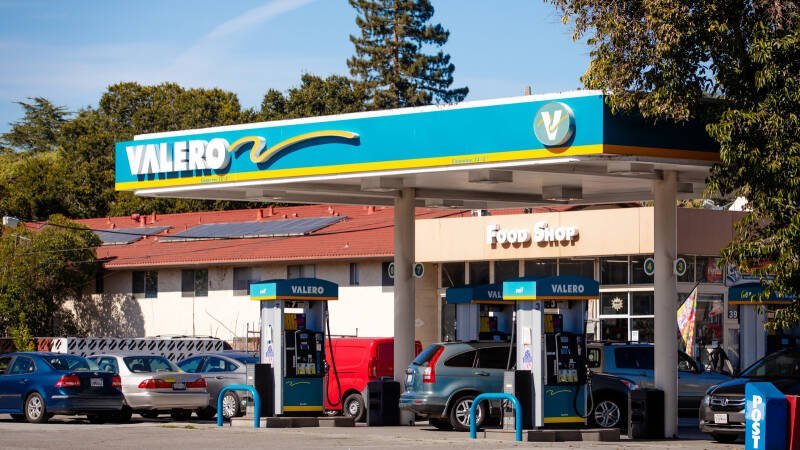
If you've driven across the United States, especially in states like Texas and California, you've likely encountered a Valero gas station. The name is ubiquitous, but who actually owns them? The answer is more complex than you might think.
Valero Energy Corporation: The Parent Company
Valero gas stations are, for the most part, owned and operated by independent retailers. However, they are branded under the umbrella of Valero Energy Corporation. Valero Energy Corporation is a major international manufacturer and marketer of transportation fuels and petrochemical products.
Think of it like this: Valero doesn't directly run most of the stations bearing its name. Instead, it's a franchise or licensing agreement. Individual owners pay for the right to use the Valero brand, sell Valero gasoline, and adhere to Valero's standards.
Franchise Model Explained
The franchise model is common in the gas station industry. It allows Valero to expand its brand recognition without the enormous capital investment needed to own and operate thousands of individual locations. The local owner handles the day-to-day operations, while Valero focuses on refining, supplying the fuel, and maintaining brand consistency.
This setup benefits both parties. Valero gets a wider market reach, and the station owner benefits from the established brand name and marketing support.
Why This News Matters
Understanding the ownership structure of a major gas station brand like Valero is important for several reasons:
- Consumer Awareness: Knowing the relationship between Valero Energy Corporation and individual gas station owners helps consumers understand where their money is going.
- Economic Impact: Valero's operations significantly impact the fuel market and the broader economy. Changes in Valero's business strategies can trickle down to local gas prices and employment.
- Investment Opportunities: For potential investors or entrepreneurs, understanding the franchise model can reveal opportunities for owning and operating a Valero-branded gas station.
Our Analysis
In our opinion, Valero's success stems from its effective use of the franchise model. This allows them to maintain a strong brand presence across a large geographic area without the direct operational burdens. This decentralized approach gives a more 'local' feel, even though the gas comes from a massive corporation.
Furthermore, Valero's focus on refining and supply chain management is crucial. By controlling the source of the fuel, they can ensure a consistent product and potentially influence pricing strategies.
Potential Downsides
However, the franchise model also presents challenges. Maintaining brand consistency across thousands of independently owned locations can be difficult. Quality control and customer service may vary depending on the individual owner's management style.
Also, this could impact Valero's brand image if individual stations are not well-maintained or if they engage in unethical practices.
Future Outlook
The future of Valero and the gas station industry is likely to be shaped by several factors:
- Electric Vehicle (EV) Adoption: As EVs become more popular, the demand for gasoline will decrease, potentially impacting Valero's core business.
- Renewable Energy: Valero is already investing in renewable energy sources, such as biofuels. This diversification is crucial for long-term sustainability.
- Convenience Store Integration: Gas stations are increasingly becoming convenience stores. Valero and its franchisees will need to adapt to this trend by offering a wider range of products and services.
In our opinion, Valero will need to continue innovating and diversifying its business to remain competitive in the evolving energy landscape. Their investment in renewables is a good sign, and they will likely continue to explore new technologies and business models. The challenge will be balancing their traditional fuel business with the growing demand for cleaner energy alternatives.