US-Iran Peace Talks: A Second Chance for Diplomacy?
US and Iranian negotiators are meeting again in Islamabad for potential peace talks. Here's why it matters, our analysis, and what the future could hold.
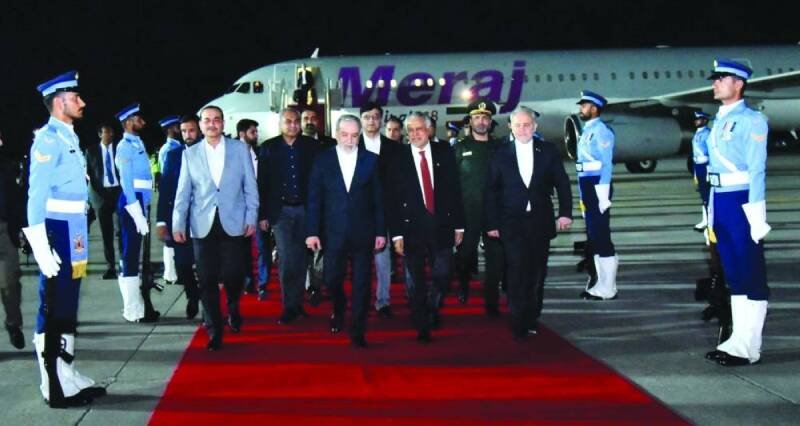



US and Iranian negotiators are meeting again in Islamabad for potential peace talks. Here's why it matters, our analysis, and what the future could hold.
High-stakes diplomacy is back on the table. US and Iranian negotiators are reportedly meeting in Islamabad, Pakistan, for a second round of peace talks. The aim? To de-escalate tensions and potentially revive some form of agreement on Iran's nuclear program.
According to reports, US negotiators led by Witkoff and Kushner are en route to Islamabad. Simultaneously, Iranian Foreign Minister Araqchi and his delegation have already landed in the Pakistani capital. The location is significant, suggesting Pakistan's role as a potential mediator in these sensitive discussions.
Adding further weight to the negotiations, it's been suggested that US Vice-President JD Vance may join the talks if a significant breakthrough is achieved. This highlights the level of importance the US administration is placing on these discussions.
The relationship between the US and Iran has been strained for decades, marked by mistrust, sanctions, and proxy conflicts across the Middle East. The original Iran nuclear deal, formally known as the Joint Comprehensive Plan of Action (JCPOA), aimed to limit Iran's nuclear capabilities in exchange for sanctions relief. However, the US withdrew from the JCPOA in 2018, reimposing sanctions and escalating tensions.
These talks represent a crucial opportunity to potentially de-escalate the situation and prevent further instability in the region. A successful outcome could lead to:
Failure, on the other hand, could lead to further escalation, potentially including military confrontation, and a heightened risk of nuclear proliferation in the region. The stakes are incredibly high.
In our opinion, the fact that these talks are even happening represents a positive step. Both sides are willing to engage, even if the path forward is fraught with challenges. Pakistan's role as a neutral host could prove crucial in facilitating constructive dialogue. However, significant obstacles remain.
One major hurdle is the issue of trust. Both the US and Iran have deep-seated suspicions about each other's intentions. The US is likely to demand verifiable guarantees that Iran will not pursue nuclear weapons, while Iran will seek concrete and lasting sanctions relief.
Another challenge is the presence of hardliners on both sides who are opposed to any form of compromise. Overcoming this internal resistance will be essential for any agreement to be reached and implemented effectively. It could impact the overall political climate within the US and Iran.
The outcome of these talks is highly uncertain. Several possible scenarios could unfold:
In our opinion, regardless of the immediate outcome of these talks, continued dialogue and diplomacy are essential for managing the complex relationship between the US and Iran. The international community must actively support these efforts and encourage both sides to find a peaceful resolution to their differences. This could lead to a ripple effect of positive outcomes in the region and beyond.
























