Bombay High Court Threatens Kanjurmarg Landfill Closure: What it Means
Bombay High Court warns of Kanjurmarg landfill closure due to pollution. Understand the implications, what's at stake, and the future of waste management in Mumbai.
Bombay High Court Threatens Closure of Kanjurmarg Landfill Over Pollution Concerns
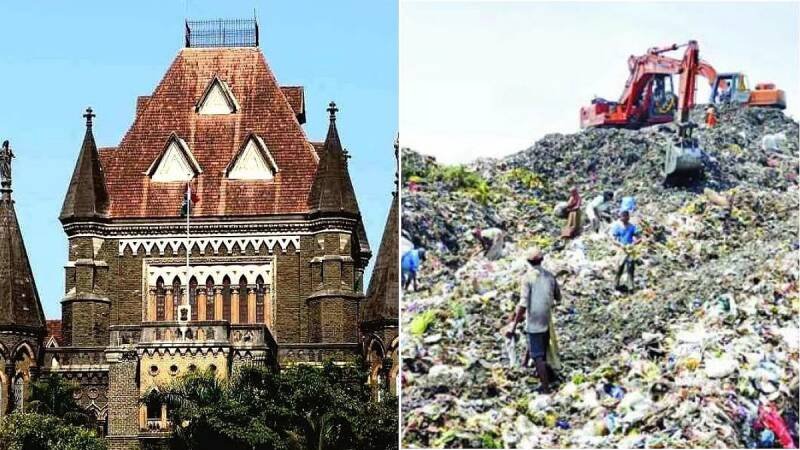
The Bombay High Court has issued a stark warning regarding the Kanjurmarg dumping site, a major landfill serving Mumbai. The court stated that if the state government and the Brihanmumbai Municipal Corporation (BMC) don't take immediate and effective action to control pollution and methane emissions, the site will be forced to close. The court described the current approach to managing the landfill as "casual" and has demanded the implementation of scientific measures, robust monitoring systems, and clear accountability. The next hearing on this critical issue is scheduled for April 27th.
Court's Concerns and Demands
The High Court's primary concern revolves around the significant environmental impact of the Kanjurmarg landfill. Uncontrolled methane emissions contribute to global warming, while the general pollution from the site affects local air and water quality, impacting the health and well-being of nearby residents. The court is insisting on a proactive and scientific approach to address these issues, moving beyond superficial measures. They specifically want to see evidence of:
- Implementation of advanced technologies to reduce methane emissions (e.g., methane capture systems).
- A comprehensive monitoring system to track pollution levels in real-time.
- A clear chain of accountability for ensuring compliance with environmental regulations.
Why This News Matters
This isn't just about a single landfill; it's about the future of waste management in Mumbai and the health of its environment and citizens. The Kanjurmarg dumping site is a critical piece of Mumbai's waste disposal infrastructure. Its potential closure would create a significant crisis, forcing the city to find alternative solutions for handling its daily waste. This event also highlights the increasing pressure on municipalities to adopt sustainable and environmentally responsible waste management practices. Furthermore, it sends a message that the courts are taking environmental concerns seriously and are willing to hold authorities accountable.
Our Analysis
In our opinion, the Bombay High Court's intervention is a necessary wake-up call. The "casual" approach described by the court highlights a systemic problem: a lack of urgency and investment in modern waste management technologies. While the BMC has undoubtedly faced challenges in managing the city's massive waste output, a more proactive and long-term strategy is crucial. This includes exploring alternative waste treatment methods like waste-to-energy plants, composting, and improved recycling programs. Relying solely on landfills is clearly unsustainable.
The court's emphasis on scientific measures and monitoring systems is particularly important. Data-driven decision-making is essential for effectively managing pollution and ensuring compliance with environmental standards. A clear chain of accountability is also vital to ensure that those responsible for managing the landfill are held accountable for their actions (or inaction).
This situation also underscores the importance of citizen engagement. Residents living near landfills are often the most affected by pollution, and their concerns should be taken seriously. Transparency and open communication are essential for building trust and finding sustainable solutions.
Future Outlook
The future of waste management in Mumbai hangs in the balance. If the BMC and the state government can demonstrate a genuine commitment to addressing the High Court's concerns, the Kanjurmarg landfill may be able to continue operating under stricter environmental controls. However, if progress is deemed insufficient by the April 27th hearing, the site could be forced to close.
This could impact Mumbai significantly, leading to:
- A waste disposal crisis and potential public health risks.
- Increased transportation costs for waste disposal, as alternative sites may be further away.
- Increased pressure on other landfills in the region.
- A renewed focus on waste reduction, recycling, and alternative waste treatment technologies.
Ultimately, the High Court's intervention is a catalyst for change. It forces Mumbai to confront its waste management challenges and embrace more sustainable solutions. This case could also set a precedent for other cities in India facing similar environmental issues, prompting them to prioritize responsible waste management practices. The coming weeks will be critical in determining the future of the Kanjurmarg landfill and the future of waste management in Mumbai.