US-Iran Nuclear Talks Stall: Implications for Global Oil Supply and Security
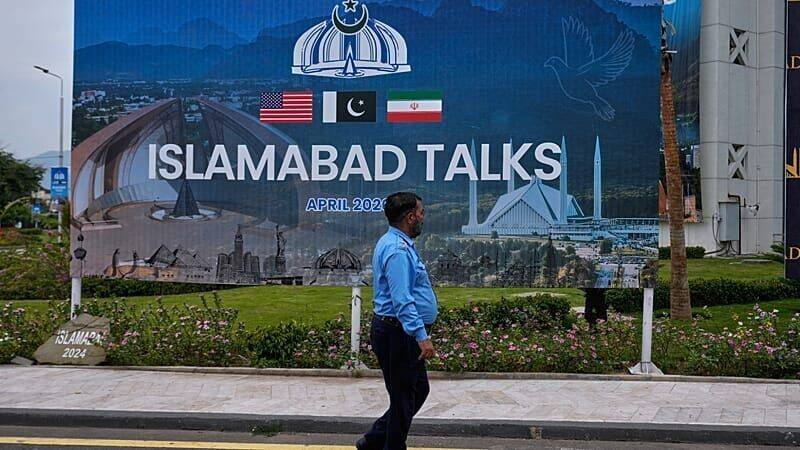
US negotiators leave talks with Iran without a deal, raising concerns about nuclear ambitions and the potential impact on global oil supplies. Get expert analysis.



US negotiators leave talks with Iran without a deal, raising concerns about nuclear ambitions and the potential impact on global oil supplies. Get expert analysis.
Negotiations between the United States and Iran aimed at reviving the 2015 nuclear deal have hit a significant roadblock. A U.S. official has confirmed that American negotiators are leaving the table without a finalized agreement. This development raises serious questions about Iran's nuclear ambitions and the potential repercussions for global security and energy markets.
The 2015 nuclear deal, officially known as the Joint Comprehensive Plan of Action (JCPOA), aimed to limit Iran's nuclear program in exchange for the lifting of economic sanctions. The agreement unraveled after the U.S. unilaterally withdrew in 2018 under the Trump administration and reimposed sanctions. Since then, efforts to restore the JCPOA have been ongoing, but significant differences between the parties remain.
One key sticking point has been Iran's demand for guarantees that future U.S. administrations won't withdraw from the deal again. The U.S. has been reluctant to offer such guarantees, given the political complexities and the potential for future policy shifts. Another point of contention involves the scope of sanctions relief and the verification of Iran's compliance with the nuclear restrictions.
Adding to the tension, a U.S. official also reported that several U.S. Navy ships crossed the Strait of Hormuz, a vital waterway for global oil supplies. At the same time, shipping data indicates that three supertankers recently passed through the Strait. The Strait of Hormuz is a strategically important channel connecting Middle Eastern oil producers to global markets. Any disruption to shipping in this area could have serious consequences for the world economy.
The failure to reach a nuclear agreement with Iran has far-reaching implications:
In our opinion, the breakdown in negotiations reflects a lack of trust and a divergence of interests between the U.S. and Iran. The U.S. is wary of granting concessions without verifiable guarantees on Iran's nuclear activities, while Iran is seeking substantial sanctions relief and assurances that its economic ties with the rest of the world will not be disrupted again. It’s a difficult situation, with both sides seemingly unwilling to compromise further.
The increased U.S. naval presence in the Strait of Hormuz is likely intended as a deterrent, signaling to Iran that the U.S. is prepared to protect its interests and ensure the free flow of oil. However, this also raises the risk of miscalculation and potential escalation. It’s a delicate balancing act.
This could impact global oil prices. If tensions rise further, we could see a significant surge in the price of oil, impacting consumers and businesses worldwide. This comes at a time when inflation is already a major concern for many economies.
The future remains uncertain. While negotiations have stalled, there is still a possibility that indirect talks could resume in the future. However, the window for reaching an agreement is closing, especially as Iran's nuclear program advances.
Here are some possible scenarios:
Ultimately, the path forward will depend on the political will of both the U.S. and Iran to find common ground and address their respective concerns. The stakes are high, and the consequences of failure could be significant.