UK Renewable Energy Hits Record High: What Does It Mean?
Renewable energy in the UK reached a record high in 2025, but fossil fuel use also increased. We analyze the implications for the UK's decarbonization goals.



Renewable energy in the UK reached a record high in 2025, but fossil fuel use also increased. We analyze the implications for the UK's decarbonization goals.
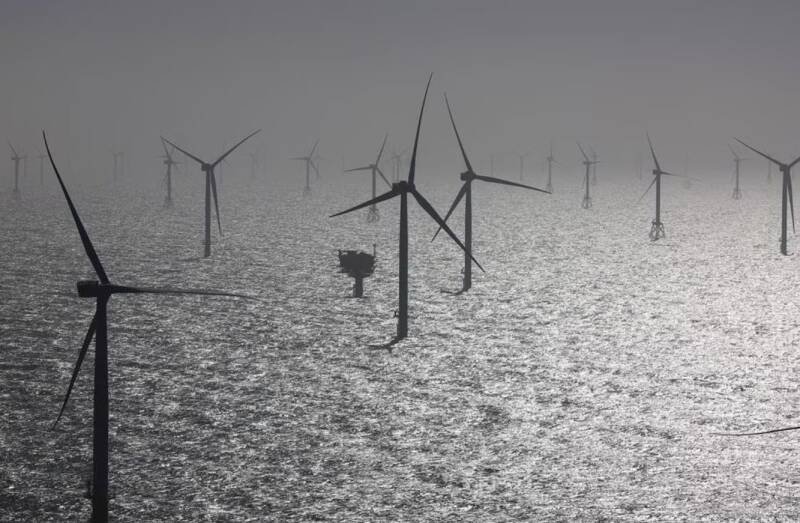
In 2025, the United Kingdom achieved a significant milestone in its energy transition. Renewable sources, including wind and solar power, contributed a record-breaking 52.5% of the nation's total electricity generation, according to recent government data. This achievement underscores the UK's ongoing commitment to decarbonizing its energy sector.
Despite the impressive gains in renewable energy production, the data also revealed a concerning trend: an increase in fossil fuel usage. While renewables are booming, the UK still relies on natural gas to meet energy demands, particularly during periods of low renewable energy output or high electricity consumption. This highlights the inherent challenge of transitioning away from fossil fuels while maintaining a reliable and affordable energy supply.
The UK has set an ambitious goal to largely decarbonize its electricity sector by 2030. This means drastically reducing reliance on fossil fuels and transitioning to cleaner energy sources. The rise in renewable energy generation is a positive step, but the simultaneous increase in fossil fuel use indicates that the transition isn't happening quickly enough or efficiently enough. Reaching the 2030 decarbonization target will require a substantial acceleration of renewable energy deployment and significant improvements in energy storage technologies to address the intermittency of renewables.
The mixed picture painted by these latest figures reveals the complexities of the energy transition. While the investment in renewable energy infrastructure is clearly paying off, the reliance on gas-fired power plants as a backup solution highlights the need for a more comprehensive approach. In our opinion, the UK needs to:
The dependence on fossil fuels, even with increased renewable output, reveals a potential vulnerability to global energy market fluctuations and price volatility. This could impact UK consumers and businesses, making it essential to prioritize energy independence through sustainable sources.
The future of the UK's energy sector hinges on the government's ability to implement effective policies and attract investment in renewable energy and supporting technologies. Key areas to watch include:
The UK's energy transition is a marathon, not a sprint. While the record high in renewable energy generation is encouraging, the increase in fossil fuel usage serves as a reminder of the challenges that lie ahead. Success will require sustained commitment, strategic planning, and a willingness to adapt to the evolving energy landscape.
The government needs to consider stronger policy interventions to accelerate the energy transition. This includes carbon pricing mechanisms, stricter regulations on fossil fuel power plants, and financial incentives for renewable energy deployment. The pace of change must quicken to meet the ambitious decarbonization targets.
Ultimately, the success of the energy transition will depend on consumer acceptance and participation. Clear communication about the benefits of renewable energy, coupled with affordable energy solutions, is vital. Addressing concerns about energy reliability and price fluctuations will be essential to build public support for the transition.