RTMC CEO's Suspension Ruled Unlawful by High Court
The High Court in Pretoria has declared the suspension of RTMC CEO Advocate Makhosini Msibi unlawful, citing the RTMC board's lack of authority.
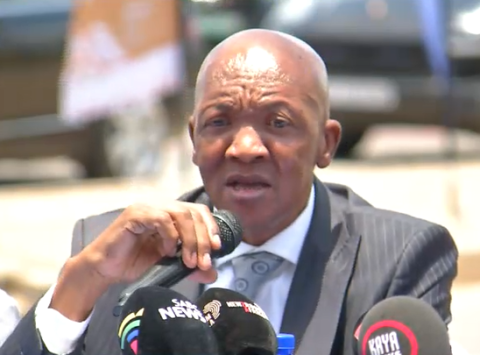



The High Court in Pretoria has declared the suspension of RTMC CEO Advocate Makhosini Msibi unlawful, citing the RTMC board's lack of authority.
The High Court in Pretoria has ruled that the suspension of Road Traffic Management Corporation (RTMC) CEO Advocate Makhosini Msibi was unlawful. The court's decision centers on the authority of the RTMC board to suspend the CEO.
Advocate Msibi was suspended from his position on July 1st of last year. This action followed a board meeting held in June. The suspension was prompted by claims from a whistleblower alleging financial misconduct, irregular spending, and failures in governance within the RTMC. The RTMC is a significant entity responsible for road traffic management in South Africa, making the allegations serious.
The High Court's ruling states that the RTMC board did not have the legal authority to suspend the CEO. According to the court, the power to suspend the CEO rests with the Shareholders Committee, and this power must be exercised in writing. The court found that the board acted outside of its defined powers when it suspended Advocate Msibi.
In addition to ruling the suspension unlawful, the court also struck down the board charter. The court determined that the board did not have the authority to adopt the charter. However, the court has suspended this particular ruling for 90 days. This suspension allows time for the necessary procedures to be corrected regarding the board charter's adoption and implementation.
The High Court's decision has significant implications for the RTMC and its governance structure. The ruling clarifies the lines of authority within the organization, specifically regarding the suspension of the CEO. It underscores the importance of adhering to proper procedures and ensuring that the board operates within its defined powers.
The suspension of the board charter, even with a 90-day suspension of the ruling, forces the RTMC to revisit its internal governance documents and ensure they are legally sound and properly adopted. This ruling highlights the importance of transparency and adherence to legal protocols within public entities like the RTMC.
The case underscores the ongoing scrutiny of state-owned entities and the need for strong governance structures to prevent and address allegations of financial misconduct and irregular spending. The RTMC, as a crucial institution in South Africa's transportation infrastructure, must maintain public trust through sound management and ethical conduct.