New Port Richey Council Questions License Plate Readers Over Privacy
New Port Richey council members voice privacy concerns over license plate reader technology associated with school speed zone cameras, despite city approval.



New Port Richey council members voice privacy concerns over license plate reader technology associated with school speed zone cameras, despite city approval.
The New Port Richey City Council is grappling with potential privacy issues related to license plate reader (LPR) technology. These concerns have surfaced despite the council's previous approval of school speed zone cameras designed to improve safety around schools.
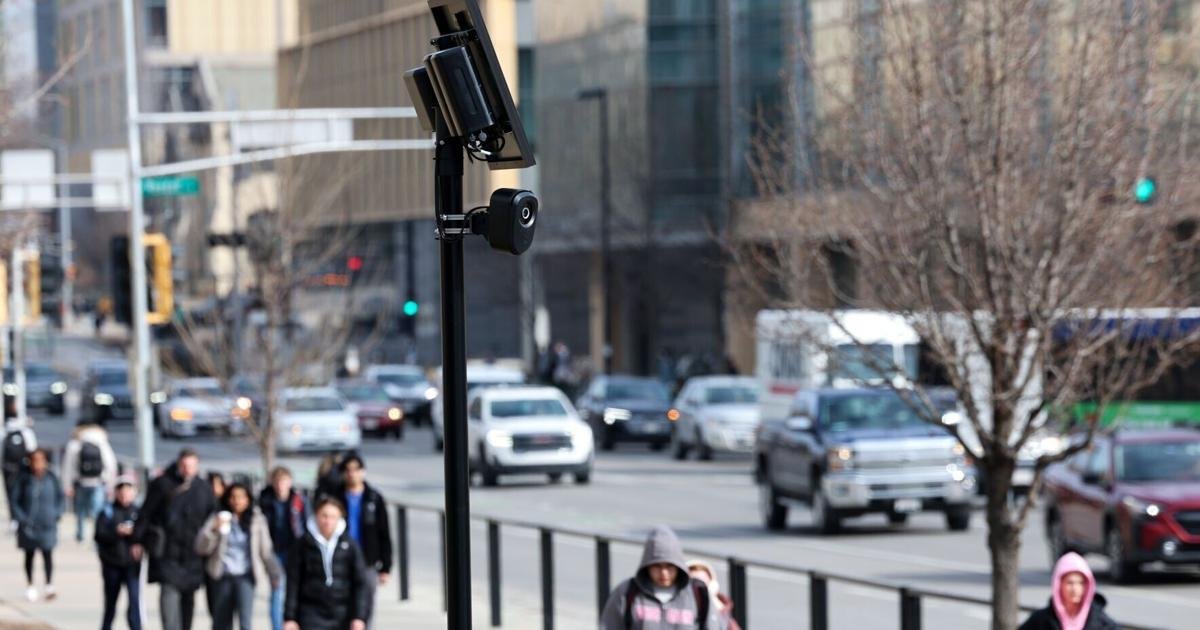
License plate readers, also known as automatic license plate recognition (ALPR) systems, use cameras to capture images of license plates on vehicles. These images are then processed using optical character recognition (OCR) to convert the image into readable text. The data collected can include the license plate number, the date, time, and location where the image was captured. This data can then be stored and analyzed.
While the goal of the school speed zone cameras is to deter speeding and enhance safety for students, the inclusion of LPR technology raises questions about the potential for broader surveillance and the handling of personal data. Council members are focusing on whether the system will adequately protect residents' privacy from potential misuse.
The council's initial approval indicates a desire to improve traffic safety around schools. Speeding in these zones poses a significant risk to children walking, biking, or being dropped off at school. The cameras are intended to act as a deterrent, encouraging drivers to adhere to speed limits and reducing the likelihood of accidents.
However, the debate highlights the inherent tension between public safety and individual privacy rights. While increased surveillance can potentially deter crime and improve traffic safety, it also raises concerns about the potential for government overreach and the misuse of personal information.
The implementation of LPR technology can have several potential impacts on residents. The continuous collection of license plate data means that the movements of vehicles can be tracked and recorded. This data could potentially be used to identify individuals, monitor their activities, and create profiles of their behavior.
Concerns have also been raised about the security of the data collected by LPR systems. If the data is not properly secured, it could be vulnerable to hacking or unauthorized access, potentially leading to the disclosure of sensitive personal information.
The New Port Richey City Council is now tasked with carefully considering these privacy concerns and ensuring that appropriate safeguards are in place. This may involve establishing clear policies governing the use of LPR data, limiting the retention period of the data, and implementing robust security measures to protect against unauthorized access.
Ultimately, the council will need to strike a balance between the benefits of LPR technology in improving traffic safety and the need to protect the privacy rights of its residents. Public discussions and further investigations by the council could help find that balance.