Rogers Pass Avalanche Risk Remains High: What Skiers Need to Know
Large avalanches in Rogers Pass highlight the ongoing dangers for spring skiers. Learn about current conditions, why this news matters, expert analysis, and future outlook to stay safe.
Rogers Pass Avalanche Risk Remains High: What Skiers Need to Know
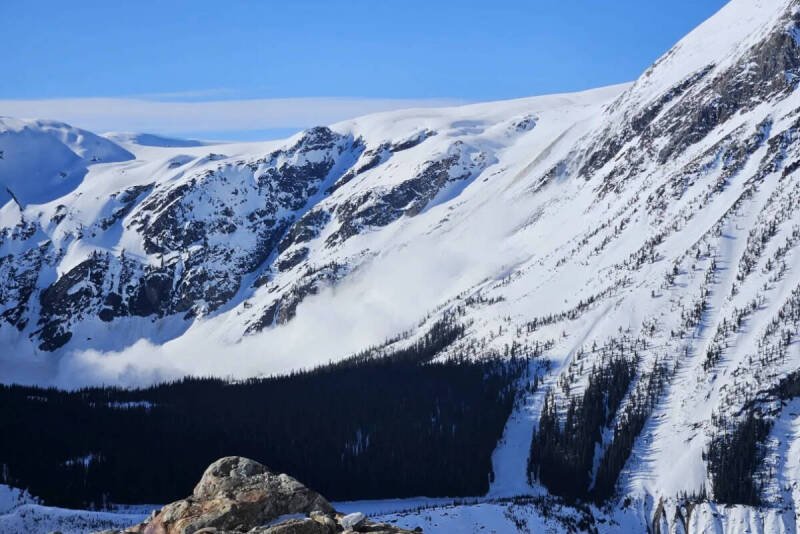
Recent large avalanches in Rogers Pass serve as a stark reminder of the dangers facing backcountry skiers this spring. Following a fatal incident on Swiss Peak, a significant Size 3.5 or 4 avalanche was photographed on Mount Macoun, prompting continued caution and highlighting the unpredictable nature of mountain snowpacks.
What Happened?
A Size 3.5 to 4 avalanche, considered large and capable of burying or destroying a car, occurred on Mount Macoun in Rogers Pass. This follows a tragic accident on Swiss Peak, underscoring the heightened avalanche risk during the spring season when temperatures fluctuate and snow conditions can change rapidly.
Why This News Matters
This news is crucial for anyone planning to ski or recreate in Rogers Pass and similar backcountry areas. Avalanches are a real and present danger, and understanding the current conditions is paramount for safety. This event should serve as a wake-up call for all backcountry users to check avalanche forecasts, assess terrain carefully, and carry appropriate safety equipment.
The Importance of Avalanche Safety
Ignoring the warnings and venturing into avalanche terrain without proper training and equipment is a gamble with your life. This incident reminds us that even experienced skiers can be caught off guard by unpredictable snow conditions. Proper planning, awareness, and preparedness are non-negotiable for a safe backcountry experience.
Our Analysis
In our opinion, the recent avalanches in Rogers Pass are a consequence of the typical spring thaw cycle, combined with potential weaknesses in the snowpack established during the winter. Warmer temperatures are destabilizing the snow, making it more susceptible to sliding, especially on steeper slopes. The size of the Mount Macoun avalanche suggests a deep instability within the snowpack. This could indicate that the risk is not limited to just the surface layers.
Expert Opinion
Avalanche professionals consistently emphasize the importance of heeding avalanche forecasts provided by organizations like Avalanche Canada. These forecasts provide valuable insights into the current avalanche danger levels, weather conditions, and potential problem areas. Ignoring these forecasts is akin to driving blindfolded.
Future Outlook
The avalanche risk in Rogers Pass is likely to remain elevated in the coming weeks as temperatures continue to fluctuate. Warmer days followed by cooler nights can create unstable snow conditions, leading to increased avalanche potential. We anticipate continued warnings and advisories from avalanche professionals. It's essential to check the forecast daily and adjust your plans accordingly.
What Can You Do?
- Check the Avalanche Forecast: Always consult Avalanche Canada's website for the latest conditions and warnings.
- Take an Avalanche Safety Course: Learn how to assess avalanche terrain and use safety equipment.
- Carry Essential Equipment: Always carry an avalanche transceiver, shovel, and probe.
- Travel with a Partner: Never travel in the backcountry alone.
- Be Prepared to Turn Back: If conditions are unfavorable, don't hesitate to change your plans. Your safety is the top priority.
This could impact ski touring for the rest of the season if warming trends continue. It is vital to check conditions regularly.
Ultimately, responsible decision-making and a commitment to safety are crucial for enjoying the backcountry safely. Respect the power of nature, and always err on the side of caution. Staying informed and prepared is the best way to mitigate the risks and ensure a safe and memorable experience in the mountains.