Neighbour Dispute Turns Violent: Sentencing and Implications
A man receives a conditional sentence after a violent dispute with his neighbours. We analyze the details, potential impacts, and the future outlook for community relations.
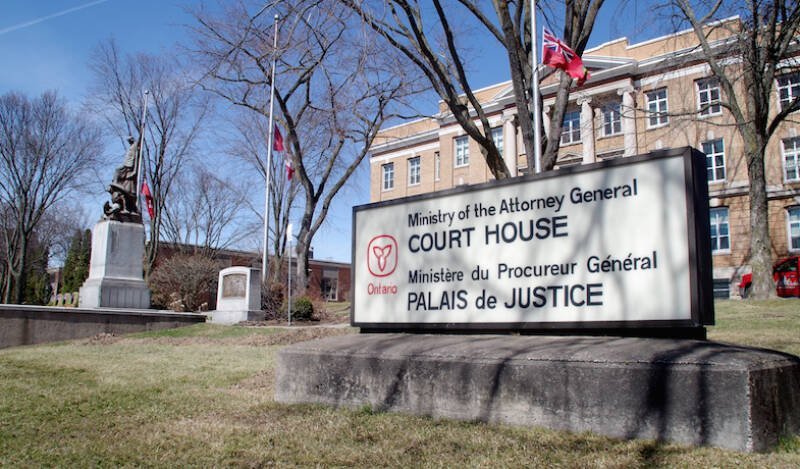



A man receives a conditional sentence after a violent dispute with his neighbours. We analyze the details, potential impacts, and the future outlook for community relations.
A tense neighbourly relationship took a violent turn in July 2024, culminating in the sentencing of Danny Schmidt. He received a conditional sentence for assaulting a couple who lived next door. This incident highlights the potential for everyday disagreements to escalate into serious altercations, with significant legal and personal consequences.
Details emerging from the case indicate that the dispute between Schmidt and his neighbours had been simmering for some time. While the specific nature of the original disagreement wasn't initially clear, the situation reportedly escalated rapidly. According to reports, Schmidt "just started swinging," resulting in injuries to both neighbours. The severity of the injuries wasn’t explicitly stated in reports, but they were significant enough to warrant assault charges and a subsequent court case.
This case serves as a stark reminder of the importance of conflict resolution and responsible neighbourly conduct. Disputes are inevitable, but finding peaceful solutions is crucial to maintaining community harmony and preventing violence. This incident also underscores the legal ramifications of resorting to physical violence, even in situations where emotions are running high. The outcome of this case can influence future cases and sends a signal about how violence will be treated by the courts.
A conditional sentence allows an offender to serve their sentence in the community under strict conditions, instead of being incarcerated. These conditions often include house arrest, curfew, abstaining from alcohol and drugs, and mandatory counselling or anger management programs. Failure to comply with these conditions can lead to the remainder of the sentence being served in jail.
In our opinion, the conditional sentence reflects a balanced approach by the court. It acknowledges the seriousness of the assault while also providing Schmidt with an opportunity for rehabilitation and reintegration into the community. The conditions imposed are designed to address the underlying issues that may have contributed to the violent outburst. However, the effectiveness of this sentence hinges on Schmidt's willingness to comply with the conditions and take responsibility for his actions.
It's also important to consider the impact on the victims. While Schmidt is serving his sentence, the neighbours are likely still dealing with the physical and emotional trauma of the assault. Support services and resources for victims of violence are critical in these situations. This could impact their sense of safety and security in their own home and community.
The future outlook for this situation depends on several factors:
The sentencing of Danny Schmidt is just one chapter in this ongoing story. Ultimately, the success of the outcome hinges on individual accountability and a collective commitment to fostering a safe and respectful community. This requires proactive conflict resolution strategies, accessible support services, and a willingness to address the root causes of neighbourly disputes before they spiral out of control.
Moving forward, community organizations and local authorities should prioritize initiatives that promote positive neighbourly relations and provide resources for conflict resolution. Education campaigns aimed at raising awareness about the legal and social consequences of violence are also essential. By working together, we can create a more peaceful and harmonious community for everyone.