Refugee Resettlement: Why America's Legacy is at Stake
Refugee resettlement programs are facing increased scrutiny. This article examines the importance of these programs, the challenges they face, and the potential consequences of restricting them.
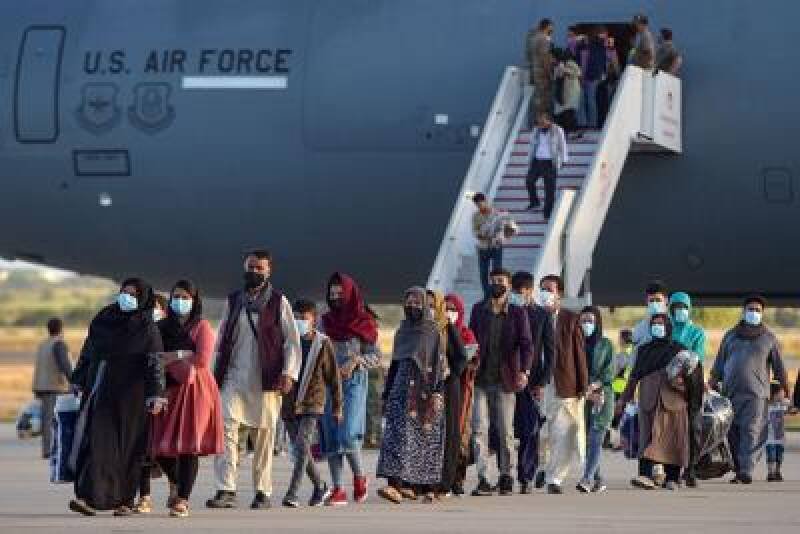



Refugee resettlement programs are facing increased scrutiny. This article examines the importance of these programs, the challenges they face, and the potential consequences of restricting them.
The world has witnessed numerous humanitarian crises in recent years, from the Taliban takeover of Afghanistan to ongoing conflicts in Ukraine and other regions. These events have forced millions to flee their homes, seeking safety and a chance at a new life in foreign lands. Refugee resettlement programs, particularly in countries like the United States, play a crucial role in providing this lifeline.
Refugee resettlement is the process of relocating refugees from their country of asylum (where they initially seek protection) to a third country that has agreed to grant them permanent residence and, eventually, citizenship. It's a complex undertaking involving international organizations like the United Nations High Commissioner for Refugees (UNHCR), governments, and non-profit organizations.
The rapid fall of Kabul to the Taliban in 2021 highlighted the urgent need for robust refugee resettlement programs. Images of Afghans desperately trying to escape the country underscored the dire consequences of conflict and political instability. Many who managed to flee found themselves in temporary camps or neighboring countries, facing uncertain futures. Resettlement offered them a path to security and stability.
The issue of refugee resettlement is not just a humanitarian concern; it's a reflection of a nation's values and its commitment to international cooperation. The United States, with its long history of welcoming immigrants and refugees, has traditionally played a leading role in resettlement efforts. However, changing political landscapes and growing concerns about national security have led to increased scrutiny of these programs.
If countries reduce or eliminate their resettlement programs, it would leave millions of vulnerable people in dangerous situations with little to no hope for a better future. It would also place a greater burden on countries already struggling to cope with large refugee populations, potentially destabilizing entire regions.
In our opinion, the current debate surrounding refugee resettlement often overlooks the significant contributions that refugees make to their host countries. Studies have shown that refugees can boost economies by filling labor shortages, starting businesses, and paying taxes. Furthermore, they enrich societies by bringing diverse perspectives, skills, and cultural traditions.
The narrative around refugees is often driven by fear and misinformation. Some argue that refugees drain resources, pose security threats, or fail to integrate into their new communities. However, these claims are often unsubstantiated and fail to recognize the rigorous vetting processes that refugees undergo before being admitted to resettlement countries.
The future of refugee resettlement programs is uncertain. Increased political polarization and growing anti-immigrant sentiment could lead to further restrictions and reduced quotas. This could impact the lives of countless refugees who are desperately seeking safety and opportunity. International cooperation and advocacy will be crucial to ensure that resettlement programs continue to provide a vital lifeline for those fleeing persecution and conflict.
Looking ahead, it's essential that governments invest in effective integration programs that help refugees adapt to their new lives, learn the local language, and find employment. It is also vital that countries have robust systems to identify and support the most vulnerable refugees who have suffered trauma and require specialized assistance. Failure to address these needs would create long-term social and economic costs.
We believe that a compassionate and well-managed refugee resettlement system is not only a moral imperative but also a strategic asset. By welcoming refugees, countries can demonstrate their commitment to human rights, strengthen their economies, and enrich their societies. It is imperative that the legacy of refugee resettlement continues to represent the best of human values.
























