Pete Hegseth's Crusades: Understanding the Intersection of Christianity and MAGA
Explore Pete Hegseth's views on Christianity and how they connect to the MAGA movement. Understand the potential implications of this ideology.
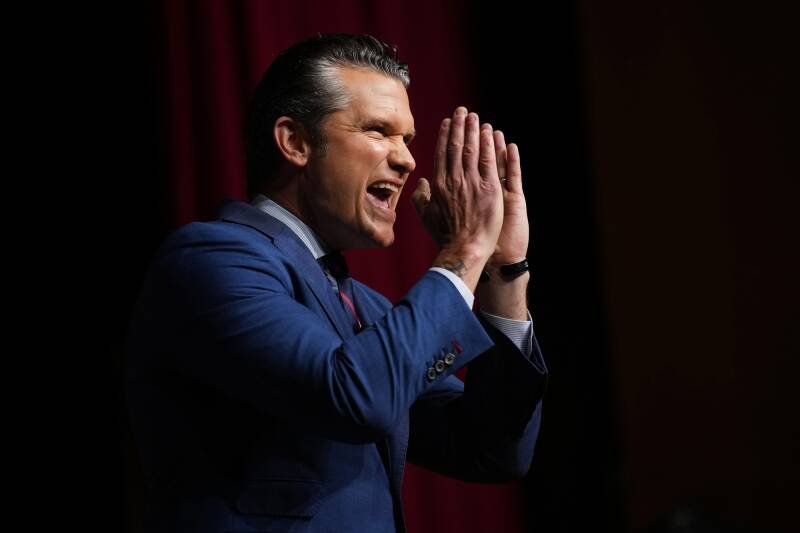



Explore Pete Hegseth's views on Christianity and how they connect to the MAGA movement. Understand the potential implications of this ideology.
An article from The American Prospect highlights the connection between Pete Hegseth's interpretation of Christianity and the MAGA (Make America Great Again) movement. It suggests his worldview is "tribal" and views certain groups as enemies deserving of opposition. This raises important questions about the role of religion in contemporary American politics.
The core argument is that Hegseth's brand of Christianity is not just a personal faith, but a political ideology. It's portrayed as a belief system that sees the world in terms of "us" versus "them," and justifies aggressive action against perceived adversaries. This is where the reference to "re-enacting the Crusades" comes in – a potent historical analogy loaded with implications of religious conflict and violence.
Understanding the intersection of faith and politics is crucial for several reasons:
In our opinion, the article raises valid concerns about the potential for religious beliefs to be used to justify political division and even violence. The rhetoric of "enemies who deserve the sword" is particularly troubling, especially in a society already grappling with political polarization.
It's important to note that not all Christians share Hegseth's views. However, the fact that his perspective resonates with a significant segment of the MAGA movement suggests a deeper trend. This involves a particular interpretation of Christianity that emphasizes conflict and the need to defend traditional values against perceived threats.
This could impact how conservative voters perceive political issues and influence their voting behavior. It also adds fuel to the fire of culture wars. We believe this needs closer analysis to really understand the depth of this issue.
Looking ahead, the influence of this type of religiously infused political ideology is likely to continue to shape the American political landscape. Here's what we anticipate:
It is crucial for individuals, communities, and political leaders to engage in constructive dialogue and promote understanding across ideological divides. Ignoring this trend risks further fracturing society and undermining the principles of democracy.
We need a broader conversation about the appropriate role of religion in politics. This involves respecting religious freedom while also safeguarding against the use of religion to justify intolerance or violence. This also requires a more informed electorate capable of discerning between authentic faith and political manipulation.
Ultimately, a healthy democracy depends on the ability to engage in respectful dialogue, even when we hold deeply different beliefs. Failing to do so will only exacerbate the divisions that threaten the fabric of our society.