Pecan Trees in Arizona: A History and Future Outlook
Explore the history of pecan trees in Green Valley and Sahuarita, Arizona, from cotton fields to orchards, and what the future holds for this agricultural staple.



Explore the history of pecan trees in Green Valley and Sahuarita, Arizona, from cotton fields to orchards, and what the future holds for this agricultural staple.
The landscape of Green Valley and Sahuarita, Arizona, is today characterized by sprawling pecan orchards. But did you know that these fields weren't always home to pecan trees? This area has a rich agricultural history that precedes the current dominance of this popular nut.
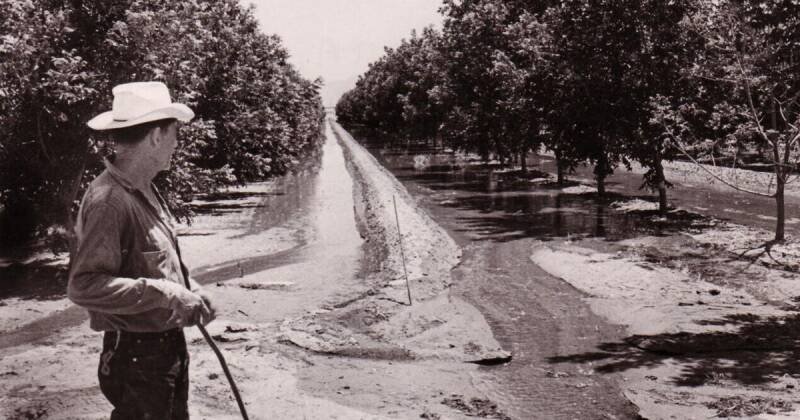
Before the rows of pecan trees took root, these fertile fields played host to a diverse range of crops. Historical records show that cotton, alfalfa, sorghum, guayule, barley, and wheat were all cultivated in the area. These crops were crucial to the early agricultural economy of the region, supporting local communities and contributing to the state's agricultural output.
Cotton was a particularly important crop, requiring significant water resources, which became a determining factor in agricultural decisions over time. The shift to other crops like alfalfa and sorghum reflected the adaptation to local conditions and market demands.
Understanding the historical land use of Green Valley and Sahuarita is crucial for several reasons. Firstly, it provides insight into the evolution of Arizona's agricultural landscape. Secondly, it highlights the adaptability of farmers in response to changing economic and environmental conditions. Thirdly, it informs current discussions surrounding water usage, land management, and the sustainability of agriculture in the region.
This historical context also sheds light on the long-term impact of agricultural practices on the soil and ecosystem. It helps us appreciate the investments and innovations that have shaped the landscape we see today.
In our opinion, the transition from cotton and other crops to pecan trees represents a significant shift in the agricultural focus of Green Valley and Sahuarita. This shift was likely driven by a combination of factors, including market demand for pecans, potential for higher profits compared to traditional crops, and the suitability of the climate for pecan cultivation. Water availability is also a factor. Pecan farming requires large volumes of water, and changing access to this may influence viability of the industry.
It's important to consider the economic and environmental implications of this change. Pecan farming can provide economic benefits to local communities, including job creation and increased revenue. However, it also raises concerns about water usage, pesticide application, and the long-term sustainability of pecan orchards.
The future of pecan farming in Green Valley and Sahuarita will depend on several factors, including water availability, market demand, and the development of sustainable farming practices. Technological advancements in irrigation, pest management, and pecan varieties could play a crucial role in ensuring the long-term viability of the industry.
This could impact the need to innovate and adopt more efficient water management techniques, such as drip irrigation and rainwater harvesting. Research and development into drought-resistant pecan varieties could also be essential.
Furthermore, greater consumer awareness of sustainable farming practices could encourage pecan farmers to adopt more environmentally friendly approaches, enhancing the long-term sustainability of the industry.
Ultimately, the success of pecan farming in Arizona will rely on a balanced approach that considers both economic and environmental sustainability. This means adopting innovative farming practices, addressing water resource challenges, and responding to changing market demands.