Peat Fire in Kuala Abang: Helicopter Deployed, What it Means for Residents
A peat fire is spreading in Kuala Abang, threatening homes. Learn about the dangers, the response, and what this means for the future.



A peat fire is spreading in Kuala Abang, threatening homes. Learn about the dangers, the response, and what this means for the future.
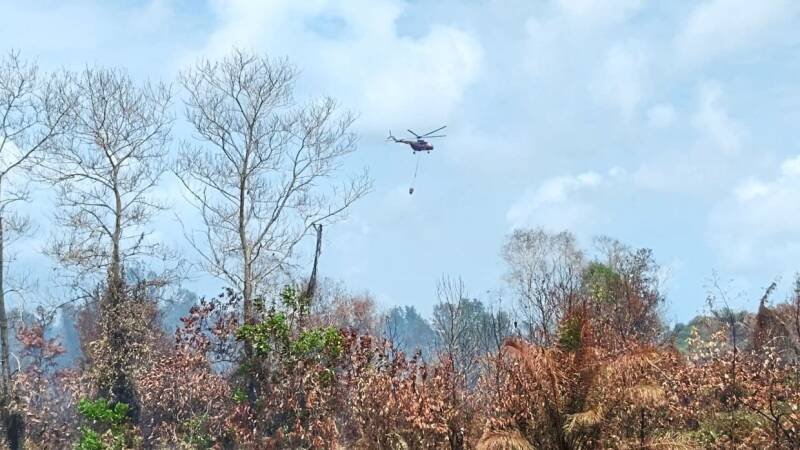
A peat swamp forest fire near Kampung Baru, Kuala Abang, is rapidly spreading, prompting a swift response from the Fire and Rescue Department. Recognizing the severity of the situation, authorities have deployed a helicopter to assist in containing the blaze. This action underscores the urgency and potential danger posed by the fire to nearby residential areas.
Peat is partially decayed plant matter that accumulates in wetlands called peatlands or bogs. It's essentially a precursor to coal. Peat fires are notoriously difficult to extinguish because they burn deep underground. This makes them hard to reach with conventional firefighting methods. They can smolder for weeks, months, or even years if left unchecked. The smoke they produce is often thick and acrid, posing significant health risks.
Using a helicopter allows firefighters to drop large quantities of water directly onto the affected areas. This is particularly crucial in peat fires where the fire burns below the surface. The helicopter can target hotspots that are otherwise inaccessible to ground crews. It provides a rapid and efficient way to cool the peat and prevent the fire from spreading further.
This event has several critical implications:
The deployment of a helicopter signifies the seriousness with which the Fire and Rescue Department is taking this peat fire. This swift response is crucial in mitigating the risks. However, the underlying causes of peat fires must be addressed to prevent future occurrences. This could include improved land management practices, stricter enforcement of regulations regarding open burning, and increased public awareness about the dangers of peat fires.
In our opinion, this incident highlights the vulnerability of communities living near peatlands. A comprehensive strategy is needed to protect these areas and the people who depend on them. Ignoring this problem has potential for disastrous consequences. The focus on immediate firefighting should be complemented by efforts to understand and manage peatlands sustainably.
The immediate priority is to contain and extinguish the fire. The success of this operation will depend on several factors. These include weather conditions (wind and rainfall), the availability of resources, and the effectiveness of the firefighting strategy. Long-term, the following needs to happen:
This could impact local policies around peatland management. We believe that increased investment in early warning systems and firefighting equipment is vital to prevent future disasters. Furthermore, international cooperation and knowledge sharing could benefit countries facing similar challenges.
























