Panama Canal Reservoir Plan Sparks Farmer Protests: Understanding the Indio River Dispute
Farmers in Panama are protesting a new reservoir planned for the Indio River by the Panama Canal Authority. This article explains the concerns, potential impacts, and future outlook of this controversial project.
Panama Canal Reservoir Plan Sparks Farmer Protests: Understanding the Indio River Dispute
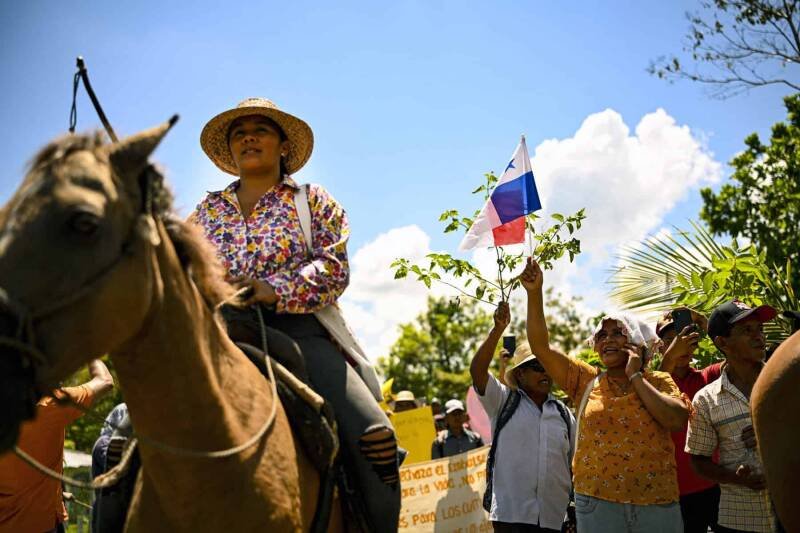
Hundreds of farmers in the rural community of Limón, in Panama's Chagres district, recently staged a powerful protest against a planned reservoir on the Indio River. The demonstration, which saw farmers marching both on horseback and on foot, culminated at the river's edge, the very site where the Panama Canal Authority (ACP) intends to construct a dam.
The Heart of the Matter: The Indio River Dam Project
The ACP, responsible for managing the Panama Canal, aims to build a dam on the Indio River to create a reservoir. This reservoir is intended to augment the canal's water supply, particularly crucial given increasing demands and fluctuating weather patterns. However, the farmers in the Chagres district fear the project's consequences for their livelihoods and the environment.
Why This News Matters
This protest highlights a growing tension between national infrastructure projects and the needs of local communities. The Panama Canal is a vital global trade route, and its smooth operation is essential for the Panamanian economy. However, development cannot come at the expense of those who depend on the land and its resources. The situation raises questions about sustainable development, environmental impact assessments, and community engagement in large-scale projects.
Furthermore, this incident shines a light on the global challenge of balancing water resource management with the needs of agriculture and industry. As climate change intensifies, such conflicts are likely to become more frequent. Finding equitable and sustainable solutions is paramount.
Our Analysis
The farmers' concerns are understandable. A dam and reservoir project can have significant impacts, including:
- Displacement of communities: People may be forced to relocate due to flooding.
- Loss of agricultural land: Farmland could be submerged, affecting livelihoods and food security.
- Environmental damage: Altered river flow can impact aquatic ecosystems and biodiversity.
- Water quality issues: Reservoirs can lead to changes in water quality, affecting downstream users.
In our opinion, the ACP needs to demonstrate a genuine commitment to addressing these concerns. Simply building the dam without adequate consultation and mitigation measures will only exacerbate the conflict. A thorough and transparent Environmental Impact Assessment (EIA) is crucial, and it must incorporate the perspectives of the affected communities.
It is also important to consider alternative water management strategies. Are there ways to improve the efficiency of water use within the canal itself? Can other sources of water be explored? A holistic approach, rather than a singular focus on the Indio River, may yield more sustainable solutions.
Future Outlook
The future of the Indio River dam project hinges on several factors:
- Dialogue between the ACP and the affected communities: Open and honest communication is essential for finding common ground.
- The results of the Environmental Impact Assessment: A comprehensive EIA can inform decision-making and identify potential mitigation measures.
- Government policies: The Panamanian government's stance on sustainable development and community rights will play a crucial role.
- International scrutiny: Organizations focused on environmental protection and human rights may weigh in on the situation.
This could impact the overall operation of the Panama Canal if a solution isn't found that works for all parties. Continued protests and legal challenges could delay or even halt the project. A protracted conflict could also damage the reputation of the Panama Canal and Panama itself.
In the long term, this situation serves as a reminder that sustainable development requires careful planning, community engagement, and a commitment to environmental protection. Finding a balance between economic growth and social well-being is essential for ensuring a prosperous and equitable future for all Panamanians.